



Roy Buchanan
Current Ranking
Roy Buchanan is ranked #116 of 162 guitarists on the Greatest Guitar Player leaderboard, based on our editorial score until fans weigh in. On the blues leaderboard, Roy Buchanan ranks #24 of 32. No fan votes yet, so be the first to rate Roy Buchanan on 8 attributes at greatestguitarplayer.com/vote.
Biography
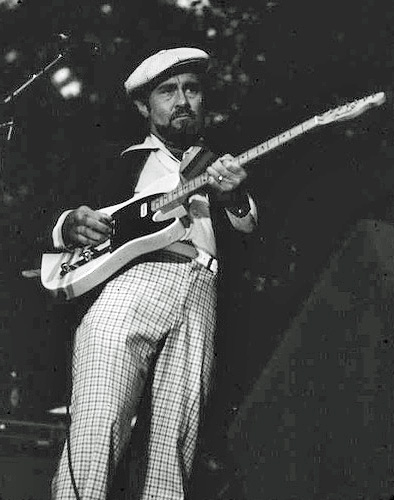
Roy Buchanan, born in Arkansas in 1939, was a Telecaster master of such extraordinary ability that he was famously dubbed the world's greatest unknown guitarist, a player whose pioneering techniques and soulful, vocal tone influenced generations even as mainstream fame eluded him. A guitarist's guitarist in the truest sense, Buchanan wrung sounds out of his instrument that few had ever heard, and his legend has only grown in the decades since his death.
Buchanan spent years as a journeyman session and bar-band guitarist, quietly developing a revolutionary style on his beloved Fender Telecaster. He was a pioneer of techniques that have since become part of the guitar vocabulary, especially the use of pinch harmonics and volume-swell effects to create singing, crying, almost human-voiced notes that could soar and wail with stunning emotional intensity. His instrumental Messiah Will Come Again became a showcase for this approach, a slow, aching piece that demonstrated how much raw feeling he could pour through six strings. His tone was bright, biting, and unmistakable, and his control over harmonics and dynamics was decades ahead of its time.
Here is the gem that captures both his stature and his bad luck. Buchanan's reputation among musicians was so high that, according to widely repeated accounts, he was approached about joining the Rolling Stones, an offer he reportedly turned down. Whether or not every detail is exact, the fact that one of the biggest bands in the world considered the obscure Telecaster wizard speaks volumes about how revered he was by those in the know, even as the general public barely knew his name. A television documentary built around that very phrase, the world's greatest unknown guitarist, finally brought him a measure of belated recognition in the 1970s.
Buchanan's influence rippled through the guitar world, with players from Jeff Beck, who dedicated music to him, to Danny Gatton to countless Telecaster devotees citing his innovations. His life, however, was marked by struggle and frustration at the recognition that never quite came, and it ended tragically in 1988. Yet his recordings endure as a master class in tone, technique, and emotional expression, and his pioneering use of harmonics and volume swells has become a permanent part of how the electric guitar is played. Roy Buchanan remains the patron saint of the brilliant, overlooked guitarist, a Telecaster genius whose playing was known and loved by the very best, even if the world at large never quite caught on.
Legendary Performance
The Best Unknown Guitarist in the World, PBS Special
In November 1971, PBS aired a documentary simply titled "The Best Unknown Guitarist in the World," introducing Roy Buchanan to audiences who had never heard his name despite his two decades of work as one of the most technically extraordinary players in American music. The broadcast featured Buchanan performing in a small club setting, his battered 1953 Fender Telecaster, a guitar he called Nancy, producing sounds that left viewers questioning the instrument's physical limits. His pinch harmonics sang at frequencies that seemed impossible from a solidbody guitar, his volume swells conjured the sustain of a steel guitar, and his double-stop bends carried the blue-note tension of Delta blues translated into an electric vocabulary no one else had imagined.
The documentary launched his recording career and created a cult following that included Eric Clapton, who reportedly turned down the Rolling Stones' guitarist slot partly because he considered Buchanan the superior player. Yet fame remained elusive, and the PBS performance remains the most complete document of a musician who was, as the title suggested, genuinely unknown to the mainstream despite being revered by every serious guitarist who encountered him. His playing that night stands as testimony to what American guitar music could achieve outside the commercial mainstream.
▶ Watch on YouTubeGear
1953 Fender Telecaster ('Nancy')
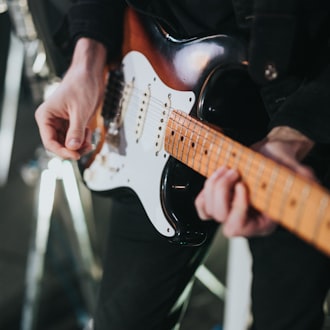
Roy Buchanan's instrument was a single 1953 Fender Telecaster he named Nancy, a battered, road-worn instrument that he played exclusively for decades, declining lucrative offers to endorse other guitars. The original Telecaster design, with its ashtray bridge, single-coil pickups, and slab maple neck, was already considered a utility instrument by the time Buchanan was extracting sounds from his that other players thought impossible. The bridge pickup's natural brightness, amplified by the brass saddles and solid ash body, provided the cutting clarity he needed for his pinch harmonics, while the neck pickup's warmth gave him the vocal, sustained tone of his ballad playing. The guitar's age contributed to its sound: decades of playing had compressed and resonated the wood in ways a new instrument could not replicate.
Fender Super Reverb
Buchanan played through Fender Super Reverb amplifiers for most of his career, preferring their American clean headroom and the natural spring reverb that contributed to his sustain and tone. Unlike British amplifiers designed to saturate and compress, the Super Reverb's four-ten-inch speaker configuration delivered tight, focused response that allowed every nuance of his picking, the angle of attack, the depth of string contact, the precise moment of release, to translate directly to the listener. His harmonic effects came from his hands and his guitar, not from the amplifier's gain, requiring a clean platform that would not add its own character to his.
Volume Pedal & Minimal Chain
Roy Buchanan's effects rig was almost nonexistent by the standards of his contemporaries. A volume pedal allowed him to create the swelling, violin-like entries that became one of his trademarks, rolling the guitar in after a note had already been struck to eliminate the transient attack and produce pure sustained tone. Beyond that, his signal chain was guitar, cable, amplifier, and nothing else. The sounds other players were achieving with fuzz boxes, echo units, and modulation effects, Buchanan produced through technique: harmonics created by pick placement and thumb pressure, sustain maintained through precise fretting, vibrato controlled entirely by the left hand.
Signature Technique
Signature Technique
Roy Buchanan extended the vocabulary of the electric guitar into territories that other players of his era did not know were available, producing sounds from a standard Fender Telecaster that contemporaries assumed required electronic processing. His technique was entirely acoustic in origin, the harmonic effects, sustain, and vocal quality were products of his hands and their relationship to the instrument rather than any pedal or processing unit. This made his playing simultaneously more difficult to replicate and more revealing of genuine musicianship: there was nowhere to hide behind an effect, and every sound he made was a direct expression of physical skill and musical intention.
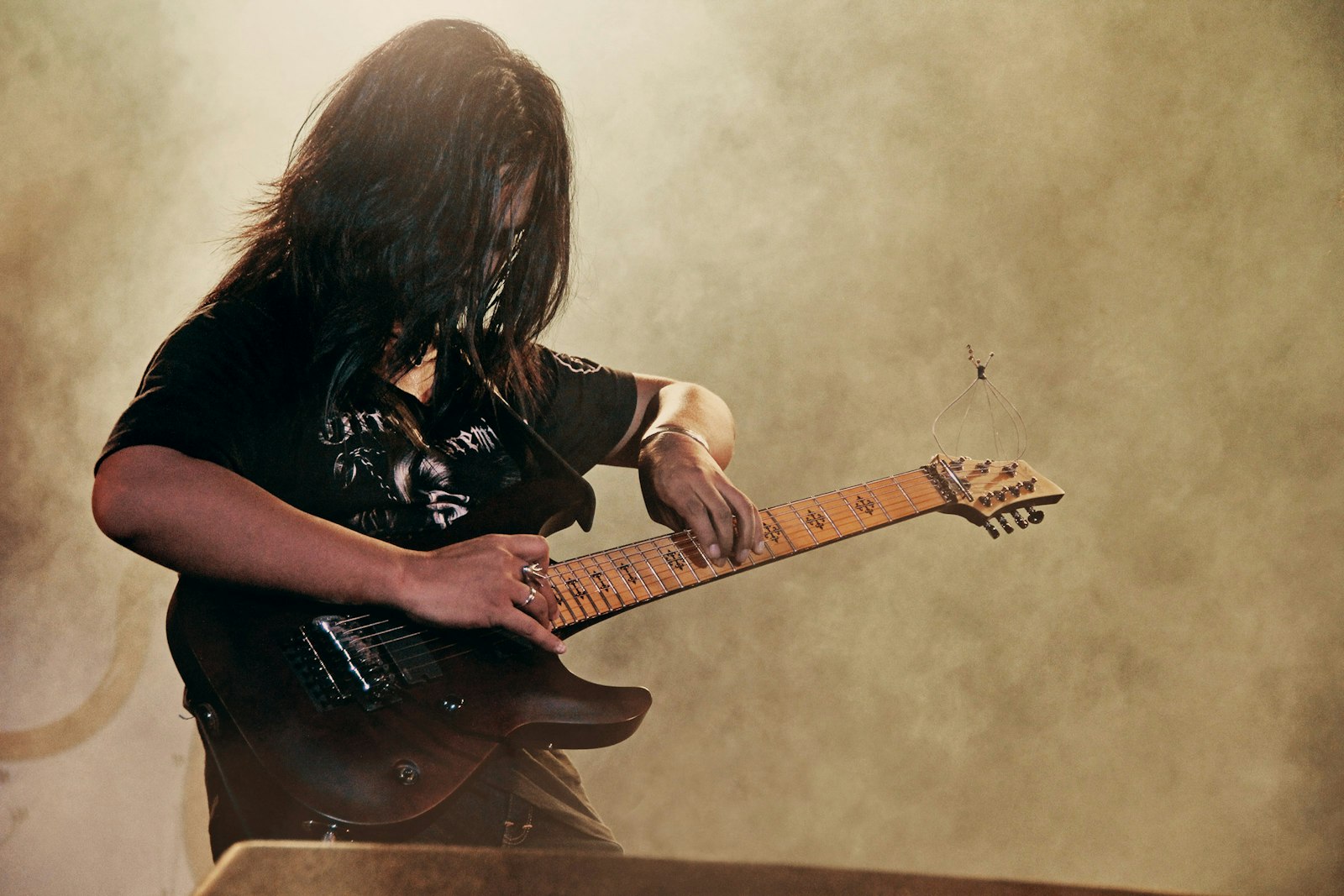
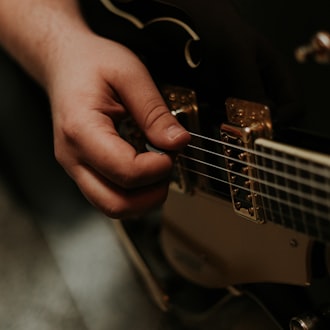
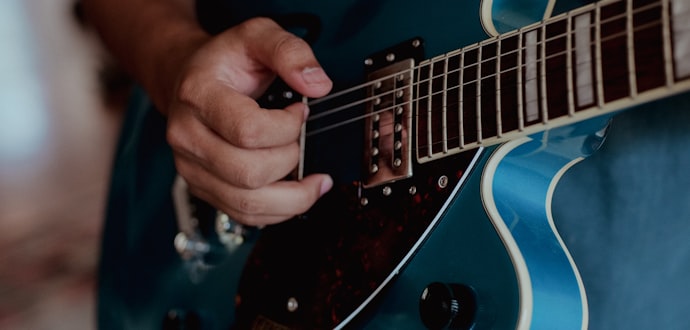
Buchanan's pinch harmonics, artificial harmonics produced by simultaneously striking the string with the pick edge and the side of the thumb, triggering a high partial of the fundamental note, were more controlled and musically integrated than those of any of his contemporaries or successors. Where other players used pinch harmonics as accent effects, he could place them precisely on specific pitches and sustain them with vibrato, incorporating them into melodic lines as naturally as a singer might hit a high note. The technique on a Telecaster, whose bright single-coil pickup emphasises the harmonic frequencies, produces a screaming, almost vocal quality that is his most immediately identifiable sonic signature.
Buchanan's command of the guitar's volume control, using it with his picking hand to roll notes in from silence after they have been struck, allowed him to eliminate the pick transient and produce pure sustained tone that imitated a steel guitar or Hawaiian guitar. This technique requires precise coordination between picking and volume adjustment, and Buchanan executed it at performance speed without the mechanical volume pedal most steel guitarists required. Combined with his left-hand vibrato, developed outside the standard rock vocabulary and closer in character to a classical violinist's bow pressure variation, the volume swell created a sustain that seemed to defy the Telecaster's physics.