







Lindsey Buckingham
Current Ranking
Lindsey Buckingham is ranked #99 of 162 guitarists on the Greatest Guitar Player leaderboard, based on our editorial score until fans weigh in. On the classic rock leaderboard, Lindsey Buckingham ranks #17 of 18. No fan votes yet, so be the first to rate Lindsey Buckingham on 8 attributes at greatestguitarplayer.com/vote.
Biography
Lindsey Buckingham, born in California in 1949, is the guitarist and a key creative force of Fleetwood Mac, and one of the most distinctive and underrated guitar stylists in popular music. While Fleetwood Mac is famous for its soaring harmonies and interpersonal drama, much of the band's sonic magic comes from Buckingham's intricate, inventive guitar work and his obsessive, perfectionist approach to record-making.
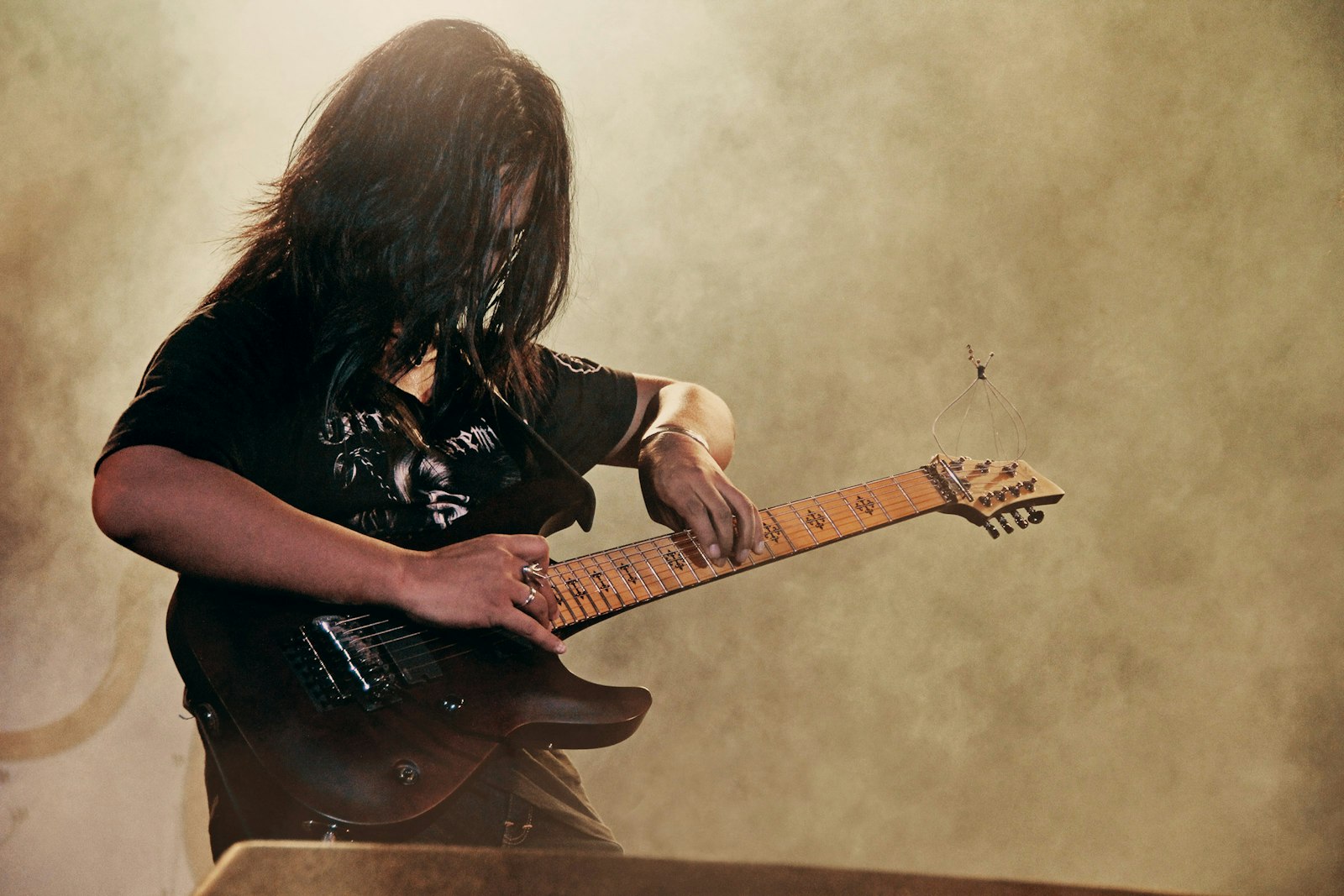
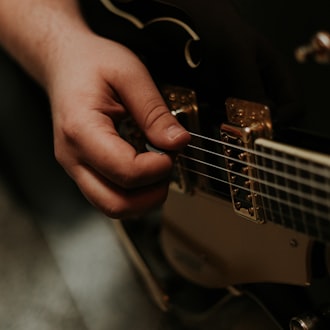
Here is the gem that sets him apart from nearly every other rock guitarist of his stature. Buckingham is entirely self-taught and plays fingerstyle, using his bare fingers and thumbnails instead of a pick, a technique drawn more from folk and banjo traditions than from rock. This unusual approach gives his playing a rolling, intricate, almost classical quality, allowing him to play complex bass lines, chords, and melodies all at once, like the dazzling fingerpicking of Never Going Back Again or the propulsive drive of Big Love. In a genre dominated by pick-wielding players, his fingerstyle technique makes his guitar parts immediately recognizable and nearly impossible to imitate exactly.
Buckingham was also the sonic architect behind much of Fleetwood Mac's greatest work, including the monumental album Rumours, and especially its experimental, ambitious follow-up Tusk, which he pushed in strange, daring directions against commercial expectations. His arrangements, his ear for texture, and his relentless studio perfectionism shaped the band's sound as much as anyone's, and his songs, like the driving Go Your Own Way, are among their most enduring. He brought an art-rock restlessness to a band that could easily have settled for polished pop.
Though his contributions were sometimes overshadowed by the band's romantic turmoil and the star power of his bandmates, fellow musicians and serious listeners have long recognized Buckingham as a guitar original, a player whose fingerstyle virtuosity and inventive production are central to one of the best-selling acts in history. A Rock and Roll Hall of Fame inductee, he has also pursued an adventurous solo career full of intricate guitar work. For guitarists, Lindsey Buckingham is a fascinating study, the self-taught fingerpicker who brought a wholly personal technique into mainstream rock and helped create some of the most beloved music of all time.
Legendary Performance
Fleetwood Mac, The Tusk World Tour, Los Angeles Forum
The Tusk World Tour of 1979 represented Fleetwood Mac at their most artistically ambitious and commercially risky, with Lindsey Buckingham having steered the band toward the experimental double album over the objections of label and bandmates alike. At the Los Angeles Forum, with a production that incorporated a marching band and multi-screen video, Buckingham delivered performances of extraordinary physicality and precision, his fingerstyle technique, he has never used a pick, driving songs from "The Chain" to "Go Your Own Way" with a rhythmic complexity that bordered on percussive assault. His right hand functioned simultaneously as rhythm section and lead voice, a technique he developed in isolation and has never been widely replicated.
What distinguished Buckingham's live playing was the tension between total technical control and genuine emotional rawness. Where the studio recordings were obsessively layered, the live performances stripped the architecture bare and revealed the musical intelligence underneath. His solos on "Go Your Own Way" and "I'm So Afraid" escalated from melodic statement to near-violent attack, an intensity that documented the personal and creative pressures of one of rock's most fractured and productive working relationships.
▶ Watch on YouTubeGear
Travis Bean TB500 & Martin D-28
Lindsey Buckingham is unusual among rock guitarists in having built his signature sound on two instruments that could not be more different. His electric playing, particularly the aggressive rhythm work and percussive fingerpicking of Fleetwood Mac's arena era, was often performed on a Travis Bean TB500, an instrument with an aluminium neck and body core that produces a distinctively bright, cutting, almost cold tone. The Bean's sustain characteristics and tonal response to his aggressive fingerstyle attack gave his electric playing a sonic signature unlike any Strat or Les Paul player. For acoustic work, he favours Martin D-28 dreadnoughts, whose projection and balanced frequency response suit the fingerpicking style he developed in the folk-influenced 1960s California scene.
Fender Vibroverb & Princeton Reverb
Buckingham's amplifier choices reflect his fundamental preference for clean American tones that respond transparently to his picking dynamics. Fender Vibroverb and Princeton Reverb amplifiers provide the warm, clean foundation over which his picking variations, from the gentlest fingertip contact to aggressive nail strokes, are heard in their full dynamic range. He does not rely on gain for sustain or character; his sound is built on the relationship between fingertips, strings, and a clean amplifier that reports everything the player gives it without editorial addition.
Minimal Processing, Fingers as Effect
Lindsey Buckingham uses almost no effects processing, a choice that places him in rare company among rock guitarists of his era. His tonal variation is achieved entirely through right-hand technique: the difference between a fingertip, the pad of the finger, and the nail produces three distinct tonal characters from the same guitar and amplifier. His studio recordings feature carefully layered tracks of the same part played multiple times with subtle variations, creating the impression of a full arrangement from a single instrument through production intelligence rather than effects processing.
Signature Technique
Signature Technique
Lindsey Buckingham is one of the most technically distinctive guitarists in rock music, not because of virtuosic speed or extended technique in the conventional sense, but because his right-hand approach to the instrument is unlike any other player in his genre. Having never adopted a pick, a choice made in his folk-influenced early years and never revisited, he developed a fingerstyle technique that functions simultaneously as rhythm section, melodic voice, and percussion. The resulting sound, heard throughout the Fleetwood Mac catalogue and his solo recordings, is immediately recognisable and has proven essentially impossible to replicate, despite the technical simplicity of the individual elements involved.
Buckingham's foundational technique is a form of Travis picking, alternating bass notes with the thumb against melody notes with the fingers, that he applies to both acoustic and electric guitar. On acoustic, this produces the simultaneously harmonic, melodic, and rhythmic texture heard on recordings like "Never Going Back Again," where the guitar part is architecturally complete without any other instrument. On electric, the same independence of hand produces the rhythmic complexity of songs like "The Chain," where his picking creates cross-rhythms against the song's basic pulse that add tension without disrupting the groove.
Beyond the melodic elements of his fingerstyle, Buckingham incorporates percussive elements, muted string attacks, body taps, and damped chord stabs, that add rhythmic information to his playing without separate percussion. This technique is most audible in live performance, where the guitar must carry more of the arrangement's rhythmic responsibility than in the studio, and it accounts for the physicality of his live playing that audiences and critics have noted since the Rumours tour. His right hand is never simply accompanying; it is constructing the rhythmic architecture of the song simultaneously with its harmonic and melodic content.