








Wes Montgomery
Current Ranking
Wes Montgomery is ranked #16 of 162 guitarists on the Greatest Guitar Player leaderboard, based on our editorial score until fans weigh in. On the jazz and fusion leaderboard, Wes Montgomery ranks #2 of 11. No fan votes yet, so be the first to rate Wes Montgomery on 8 attributes at greatestguitarplayer.com/vote.
Biography
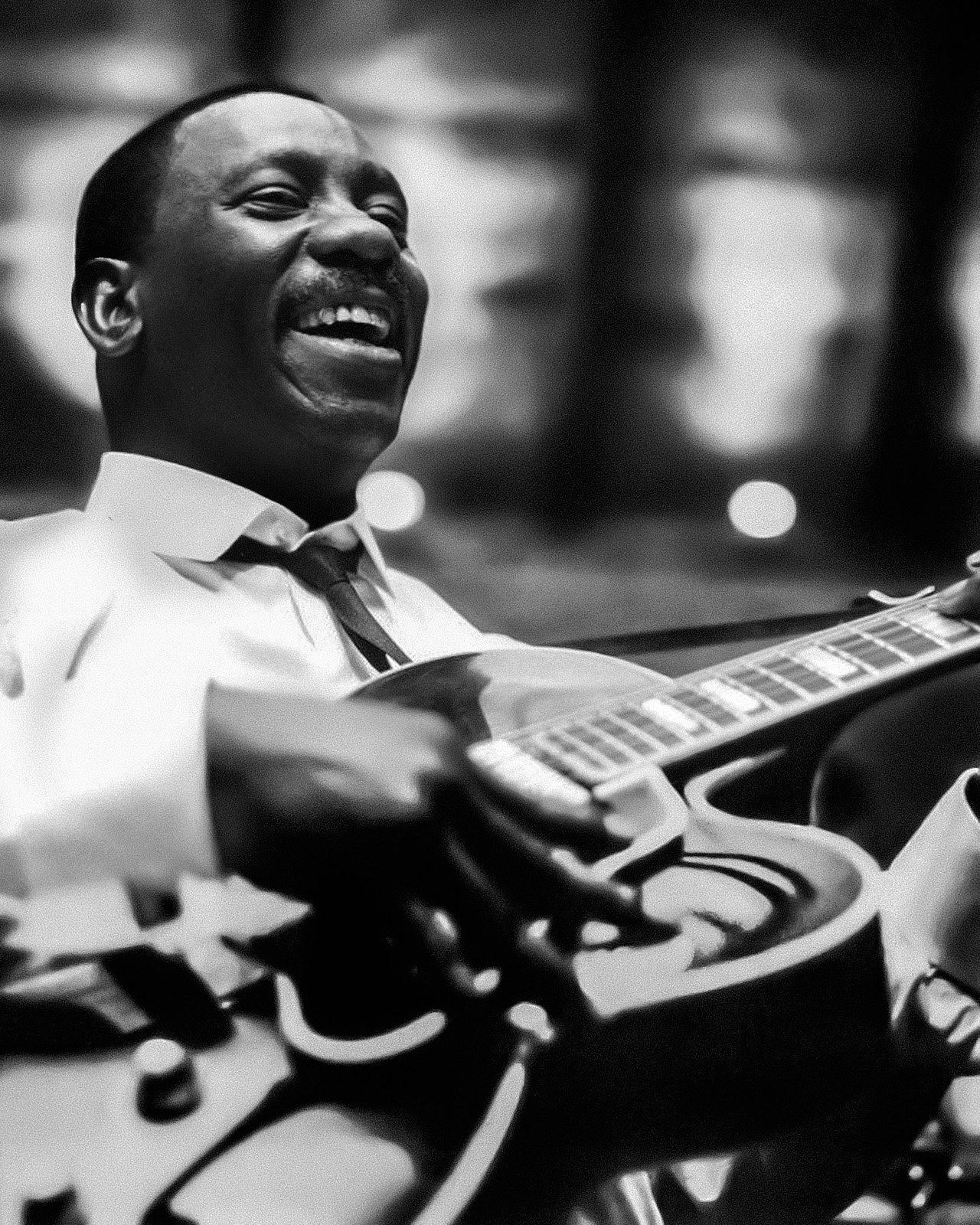
Wes Montgomery, born in Indianapolis in 1923, is one of the most important and influential jazz guitarists who ever lived, a virtuoso whose warm, rich tone and revolutionary technique reshaped the instrument and inspired essentially every jazz guitarist who followed. Largely self-taught and a late bloomer who worked day jobs while gigging at night, Montgomery developed a wholly original approach that made his playing instantly recognizable and endlessly imitated.
Here is the gem that defines his entire sound. Montgomery did not play with a pick. Instead, he plucked the strings using only his thumb, a technique he reportedly developed because he practiced late at night after working long days and needed to play quietly enough not to wake his neighbors and family. Using his thumb produced a softer attack and a uniquely warm, round, mellow tone unlike anything achieved with a pick, and it became his signature. What began as a practical solution to a noise problem turned into one of the most beautiful and distinctive sounds in jazz history, proof once again that limitation can breed genius.
That thumb technique was only part of his innovation. Montgomery became famous for his masterful use of octaves, playing melodies in two notes an octave apart simultaneously, which gave his solos a thick, powerful, singing quality that was thrilling and immediately identifiable. He would often build his solos brilliantly, starting with single-note lines, moving to octaves, and climaxing with full block chords, a structure that created tremendous drama and excitement. His harmonic sophistication and his effortless, soulful swing made records like The Incredible Jazz Guitar of Wes Montgomery essential listening and cemented his place among the greats.
A second gem captures both his success and the debate it sparked. Late in his career Montgomery recorded more pop-oriented, orchestrated albums of melodic instrumentals that became big commercial hits and made him one of the best-selling jazz artists of his era, even as some purists wished he had stuck to harder-swinging jazz. Either way, those records introduced his gorgeous tone to millions and proved a jazz guitarist could reach a mass audience without ever sounding cheap.
Montgomery's influence on jazz and beyond is immense, with countless guitarists across jazz, rock, and pop, including George Benson, Pat Metheny, and many others, citing his warm tone, his octave technique, and his melodic genius as foundational. His life was cut short by a heart attack in 1968, when he was only in his mid-forties, but in his relatively brief time in the spotlight, he permanently changed jazz guitar. Wes Montgomery is remembered as a true original, the self-taught master who played with his thumb, pioneered the octave melody, and produced a sound so warm and soulful that guitarists have been chasing it ever since.
Legendary Performance
Recorded Live at the Half Note, 1965
Wes Montgomery's live recordings at the Half Note club in New York in 1965 document a musician at the peak of his powers in the environment he was built for. The small club, the attentive audience, the interplay with Wynton Kelly's trio: all of it drew from Montgomery a warmth and fluency that his studio recordings, fine as they were, could not fully replicate.
Montgomery played with his right-hand thumb rather than a pick, resting it gently against the strings to produce a tone of velvet roundness that no pick could imitate. He moved between single-note lines, parallel octaves played simultaneously, and full chord melody passages with such seamlessness that listeners often could not identify the moment of transition.
The Half Note recordings reveal Montgomery's genius for building solos architecturally, beginning simply, developing motifs methodically, and arriving at climaxes that felt both inevitable and surprising. They remain among the essential documents of jazz guitar.
▶ Watch on YouTubeGear
Gibson L-5 CES • Thumb Technique • No Pick • Fender Twin Reverb • Wes Montgomery Signature
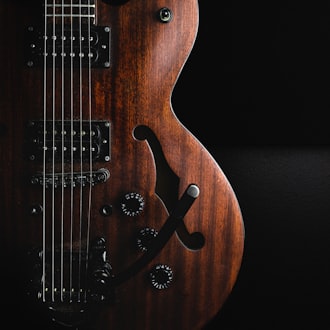
Wes Montgomery played a Gibson L-5 CES, a full-body electric archtop that produces one of the warmest, most resonant tones in jazz guitar. He ran it through a Fender amplifier, typically a Twin Reverb, keeping his settings clean with the volume low enough to preserve the L-5's natural acoustic character while adding just enough amplification to fill a club.
Montgomery never used a pick. He played exclusively with the pad of his right-hand thumb, resting it against the strings with a relaxed pressure that produced a tone of extraordinary roundness and depth. The absence of a pick's attack meant his notes bloomed rather than struck, fitting perfectly into the rhythm section textures he preferred.
Gibson later produced the Wes Montgomery model, an L-5 variant with a single floating pickup, honoring his contribution to the archtop tradition. The instrument's design reflected everything Montgomery valued: simplicity, warmth, and enough acoustic resonance to feel alive in the hands even when unplugged.
Signature Technique
Thumb Technique, Octaves & Chord Melody
Wes Montgomery's technique is built on three modes of playing that he moved between fluidly within a single solo: single-note lines, parallel octaves, and full chord melody. The transition between these modes was so seamless that listeners often heard them as a single continuous texture rather than three distinct approaches.
His use of the thumb instead of a pick gave his tone a roundness and warmth that became the sonic signature of his playing. The thumb's fleshy contact with the string produces a slower attack and a longer sustain than any pick material can achieve, and Montgomery exploited this characteristic to create melodic lines that seemed to breathe rather than articulate.
His octave technique, playing a melody simultaneously on two strings an octave apart, became so associated with him that it is often called the Wes Montgomery octave technique. The physical demands are considerable, requiring the thumb to mute strings between the octave pair while maintaining rhythmic momentum. Montgomery made it sound effortless.