
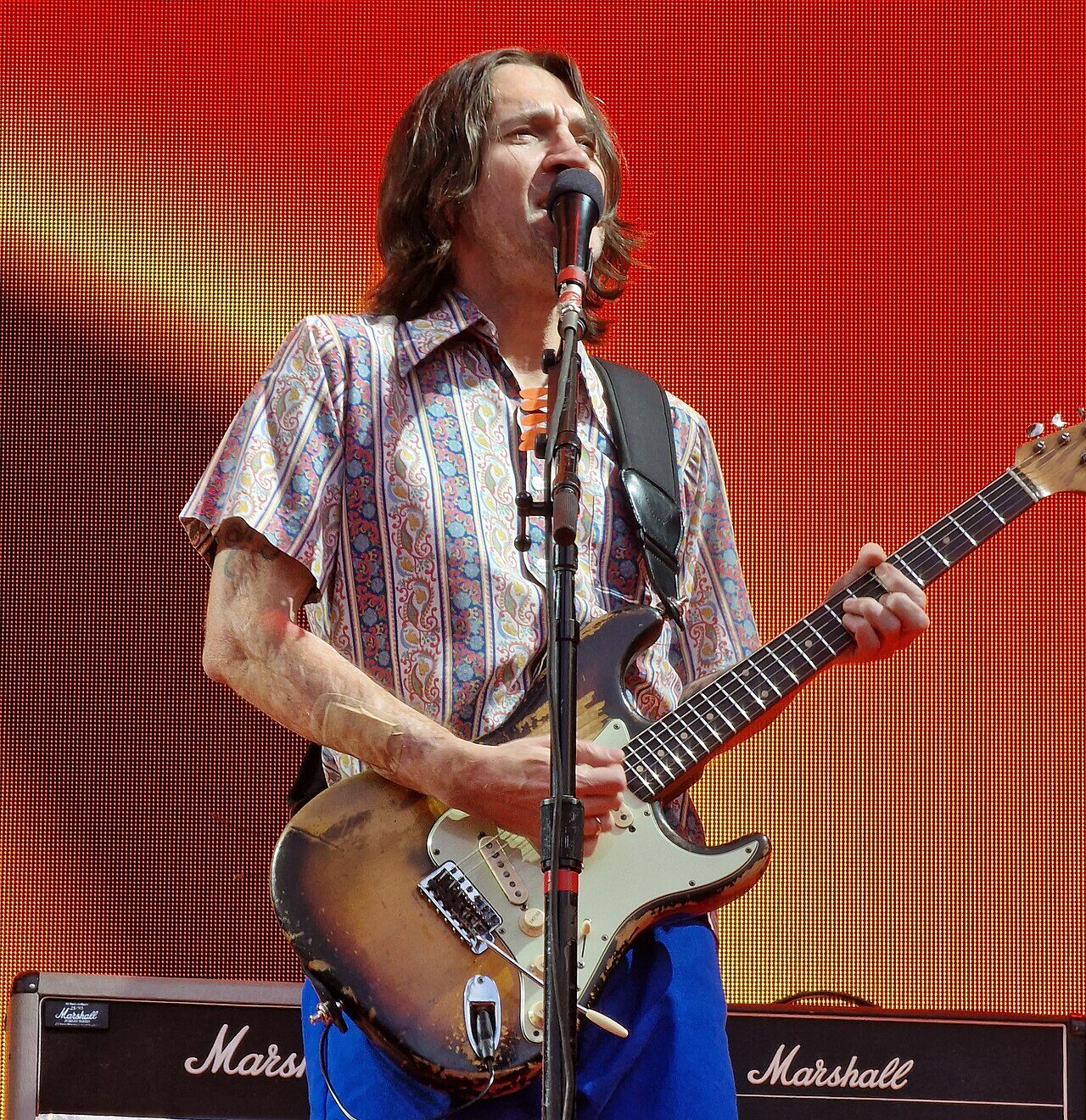

John Frusciante
Current Ranking
John Frusciante is ranked #30 of 162 guitarists on the Greatest Guitar Player leaderboard, based on our editorial score until fans weigh in. On the punk, grunge and alternative leaderboard, John Frusciante ranks #1 of 17. No fan votes yet, so be the first to rate John Frusciante on 8 attributes at greatestguitarplayer.com/vote.
Biography
John Frusciante, born in New York in 1970 and raised in California, is the guitarist most responsible for the melodic, textural sound of the Red Hot Chili Peppers at their peak, a player whose deep musicality and emotional rawness elevated the band from funk-punk pranksters to one of the biggest and most beloved rock acts in the world. A devoted student of guitarists like Jimi Hendrix and the punk and new-wave players who came before him, Frusciante brought taste, atmosphere, and genuine songcraft to the band's music.
Frusciante's playing favors feel and melody over flash. He weaves intricate, funky rhythm parts, gorgeous arpeggiated textures, and concise, singing solos that always serve the song, and his backing vocals and harmonic sensibility became a crucial part of the Chili Peppers' identity. On albums like Californication, By the Way, and Stadium Arcadium, his guitar work gives the music its warmth and its soul, balancing the band's funk energy with real beauty and vulnerability.
Here is the gem, a redemption story that defines his career. Frusciante first joined the Chili Peppers as a young man and helped make the breakthrough album Blood Sugar Sex Magik, but he became overwhelmed by sudden fame and abruptly quit the band at the height of its success, descending into a harrowing period of heroin addiction and isolation that nearly killed him. Then, against long odds, he got clean, rebuilt himself, and rejoined the band in the late 1990s, and the album that followed, Californication, became one of their greatest triumphs. His departure, near self-destruction, and recovery, followed by even greater artistic heights, is one of rock's most remarkable second acts, and you can hear that hard-won emotional depth in every note he played afterward.
Frusciante has actually left and returned to the band more than once, in between pursuing a prolific, restless solo career full of experimental and electronic music that reveals just how curious and serious a musician he is. He is a true student of the instrument and of recording, obsessing over vintage gear and tone, yet he never lets technique overshadow feeling. For guitarists, he is a powerful example that the most important thing about playing is not speed or complexity but emotion, atmosphere, and service to the song, and that even after hitting bottom, an artist can come back stronger than ever.
Legendary Performance
Live at Slane Castle
August 23, 2003 · Slane Castle, County Meath, Ireland
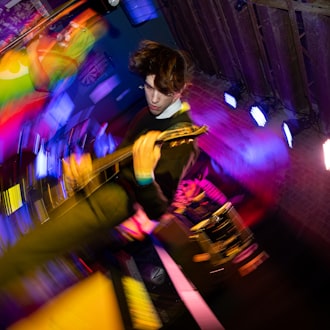
By the summer of 2003, John Frusciante's second act with the Red Hot Chili Peppers had already produced two of the most critically acclaimed albums of their career. But it was a Saturday night in the Irish countryside, August 23, 2003, 80,000 people gathered on the grounds of Slane Castle in County Meath, that provided the setting for what many consider the definitive live document of Frusciante as a performing guitarist. The natural amphitheater formed by the castle grounds focused the sound and the crowd energy into something the cameras were almost insufficient to capture. Almost.
What made Frusciante's playing at Slane Castle extraordinary was its completeness, the way every element of his guitar work, from the delicate arpeggiated intro lines to the full-bore lead passages of "Can't Stop" and "Give It Away," arrived with equal precision and equal expressiveness. He had spent the years between his first departure from the band and his 1998 return fighting addiction and its aftermath; what came out the other side was a player whose relationship with the guitar had deepened into something quieter and stranger and more total than before. His 1962 Fender Stratocaster sang through a Soldano amplifier that night with a tone, warm, slightly overdriven, luminous even at high volume, that seemed to materialize from a different atmosphere than ordinary rock guitar.
The DVD of the Slane Castle concert became one of the most widely circulated live rock documents of the decade. Guitar World convened a panel of prominent guitarists to name their favorite Frusciante moments, and Slane appeared on nearly every list. What they were pointing at was not any single technical feat but something harder to name: the sense, watching Frusciante play, that the guitar was not an instrument he was using but a condition he was inhabiting. He had built something over those years of recovery and return that could not be faked or replicated. Slane Castle was where the world got to see all of it at once.
▶ Watch on YouTubeGear
1962 Fender Stratocaster
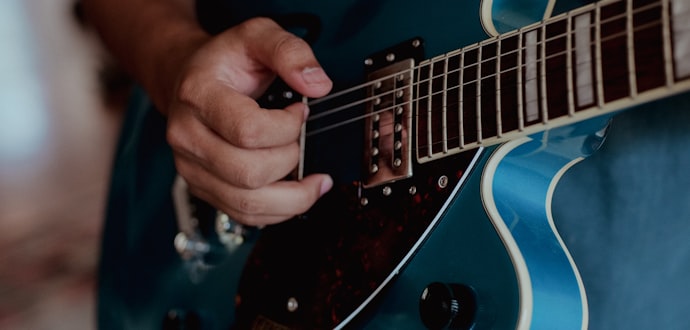
John Frusciante's most iconic instrument is a heavily worn 1962 Fender Stratocaster, played on virtually every Red Hot Chili Peppers album from Blood Sugar Sex Magik onward, and distinguishable by its sunburst finish worn down to bare wood in places from decades of intensive playing. The guitar's original single-coil pickups produce the biting, harmonically rich tone that characterizes his most celebrated work, from the funky rhythm playing of 'Give It Away' to the soaring lead lines of 'Under the Bridge.' Frusciante also uses a variety of other vintage Fenders, Telecasters, Jazzmasters, and has incorporated unusual instruments like modified Japanese import guitars into his solo recordings.
Marshall Silver Jubilee / Mesa/Boogie
Frusciante has used Marshall Silver Jubilee amplifiers as his primary live tool for much of his career with RHCP, a late-1980s design that combines Plexi-style headroom with more modern gain characteristics. His studio setups are more varied: Blood Sugar Sex Magik , recorded with Rick Rubin in a Laurel Canyon mansion, used a combination of small valve combos and vintage Marshalls set up in different rooms to capture natural reverb. The key to his live tone is the interplay between a slightly-broken Marshall and his right-hand attack, which varies from feathery funk strumming to aggressive rock picking within the same song.
Electro-Harmonix Electric Mistress / Tube Screamer / Whammy
Frusciante's effects chain is thoughtfully eclectic. The Electro-Harmonix Electric Mistress flanger provides the floating, slightly disorienting texture on tracks like 'Californication.' An Ibanez Tube Screamer adds harmonic richness and compression to his lead tone. The DigiTech Whammy allows pitch-shifting effects used on both rhythm parts and solos. His approach to effects is always melodic and musical, each pedal serves the song's emotional arc rather than existing as a technical display. His solo albums reveal even deeper experimentation with delay, looping, and multi-tracking, but his essential character as a player is always audible through whatever processing is applied.
Signature Technique
Funk Staccato & Psychedelic Layering
John Frusciante operates between two extremes that rarely coexist in a single guitarist. In his rhythm work with the Red Hot Chili Peppers, "Give It Away," "Suck My Kiss," "Around the World", the guitar functions as a percussion instrument as much as a harmonic one. The parts are staccato, muted, and rhythmically interlocked with Flea's bass so precisely that the two instruments function as a single rhythmic voice divided between two players. The secret is that Frusciante does not simply play around the groove, he is part of the groove's structural skeleton, and removing his part would collapse the rhythmic foundation entirely.
At the other extreme, his solo recordings and his more expansive studio contributions, the bridge of "Californication," the layered work on "Under the Bridge", reveal a psychedelic sensibility rooted in Jimi Hendrix, Syd Barrett, and the studio experimentalism of the late 1960s. He layers guitars in multiple tunings, uses tremolo and phaser to create envelope-like tonal halos around sustained notes, and approaches the overdub as an act of improvised conversation with the tracks already recorded. His singing voice and his guitar voice share a quality of emotional directness that feels unmediated by technique, both say exactly what they mean, immediately.