
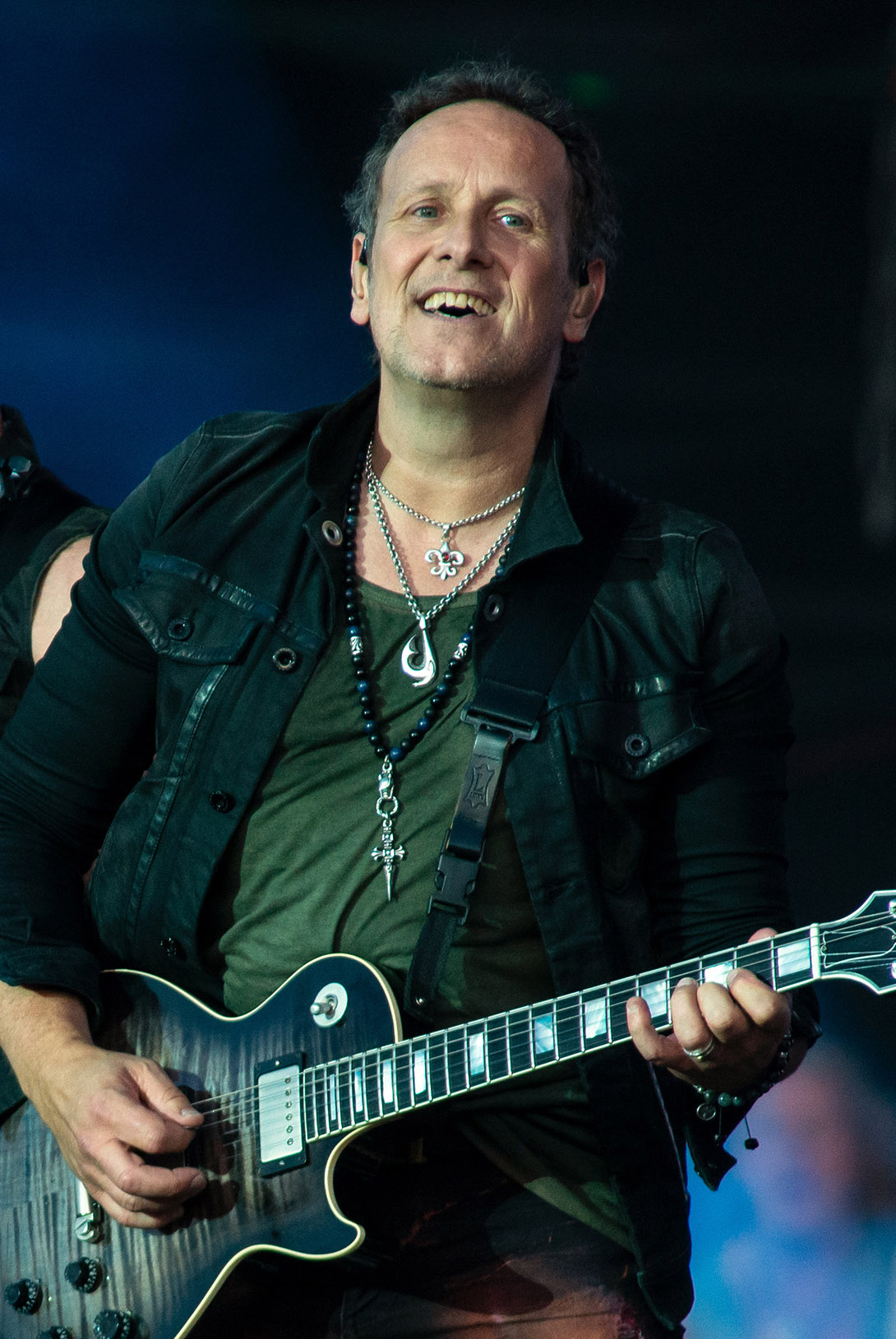

Vivian Campbell
Current Ranking
Vivian Campbell is ranked #160 of 162 guitarists on the Greatest Guitar Player leaderboard, based on our editorial score until fans weigh in. On the heavy metal leaderboard, Vivian Campbell ranks #14 of 14. No fan votes yet, so be the first to rate Vivian Campbell on 8 attributes at greatestguitarplayer.com/vote.
Biography
Vivian Campbell, born in Belfast, Northern Ireland in 1962, is a hard-rock and metal guitarist whose career has spanned several of the genre's most important bands, but who will forever be cherished for one early, brilliant body of work. A gifted, melodic player with a fierce technique and a gorgeous tone, Campbell made his name as a young man and has remained a respected and resilient figure in rock for four decades, weathering both career turbulence and serious personal adversity.
Here is the gem that secured his legend. As a young guitarist, Campbell joined the band Dio, fronted by the legendary metal vocalist Ronnie James Dio, and played on a run of albums, especially the classic Holy Diver and The Last in Line, that are considered cornerstones of 1980s heavy metal. His soaring, melodic, impeccably crafted solos on songs like Holy Diver, Rainbow in the Dark, and The Last in Line are widely regarded as some of the finest metal guitar work of the era, and they remain his most beloved achievement. Many fans consider that brief period the high-water mark of his playing and one of the great early statements in melodic metal guitar.
After a falling-out with Dio, Campbell's career took several turns, including a stint with Whitesnake, before he found a long-term home in an unexpected place. In the early 1990s he joined Def Leppard, one of the biggest rock bands in the world, replacing their guitarist and becoming a permanent member, a role he has now held for far longer than any of his earlier gigs. With Def Leppard he has played stadiums around the globe and earned induction into the Rock and Roll Hall of Fame, reaching a level of sustained success few guitarists ever achieve.
Campbell has also shown remarkable courage in the face of a long battle with cancer, continuing to tour and perform through years of treatment with a determination that has inspired fans and fellow musicians alike. Late in his career he even reconciled with the legacy of his Dio years, performing that beloved early material once again to the delight of longtime admirers. A guitarist of genuine melodic gifts and admirable resilience, Vivian Campbell is remembered both for the timeless solos he played on those classic Dio records and for his enduring run as a member of rock royalty, a player whose career has weathered every storm and kept right on going.
Legendary Performance
Holy Diver World Tour, Monsters of Rock
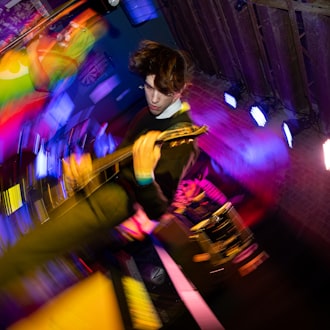
When Dio took the stage at the 1983 Monsters of Rock festival at Castle Donington, Vivian Campbell was twenty years old and already playing with a poise and authority that outstripped his age by a decade. The Holy Diver album had arrived earlier that year like a thunderclap, Ronnie James Dio's heaviest and most complete statement, and Campbell's lead guitar its most essential element. In front of 65,000 people on the festival's second-biggest stage, the young Belfast guitarist delivered the album's architecture in full: the churning rhythm of "Stand Up and Shout," the cathedral-gothic sweep of "Rainbow in the Dark," and the title track's iconic main riff rendered with a precision and fire that silenced any doubt about whether Dio's post-Black Sabbath project could hold its own on the world's biggest festival circuit.
Campbell's playing that afternoon demonstrated a quality rare in heavy metal guitar: genuine melodic intelligence operating at full hard rock intensity. His solos were not exercises in speed or technique for their own sake but melodic statements that served Dio's vocal dramaturgy, rising where the song's emotional temperature rose, retreating into textural rhythm where the vocal needed space. The blues vocabulary he had absorbed from Gary Moore and Rory Gallagher gave his playing a human warmth that contrasted productively with the music's more grandiose theatrical ambitions. Donington 1983 established Campbell as one of the most promising lead guitarists of his generation, a reputation the subsequent three Dio albums would fully vindicate.
▶ Watch on YouTubeGear
Charvel Superstrat / Gibson Les Paul Standard
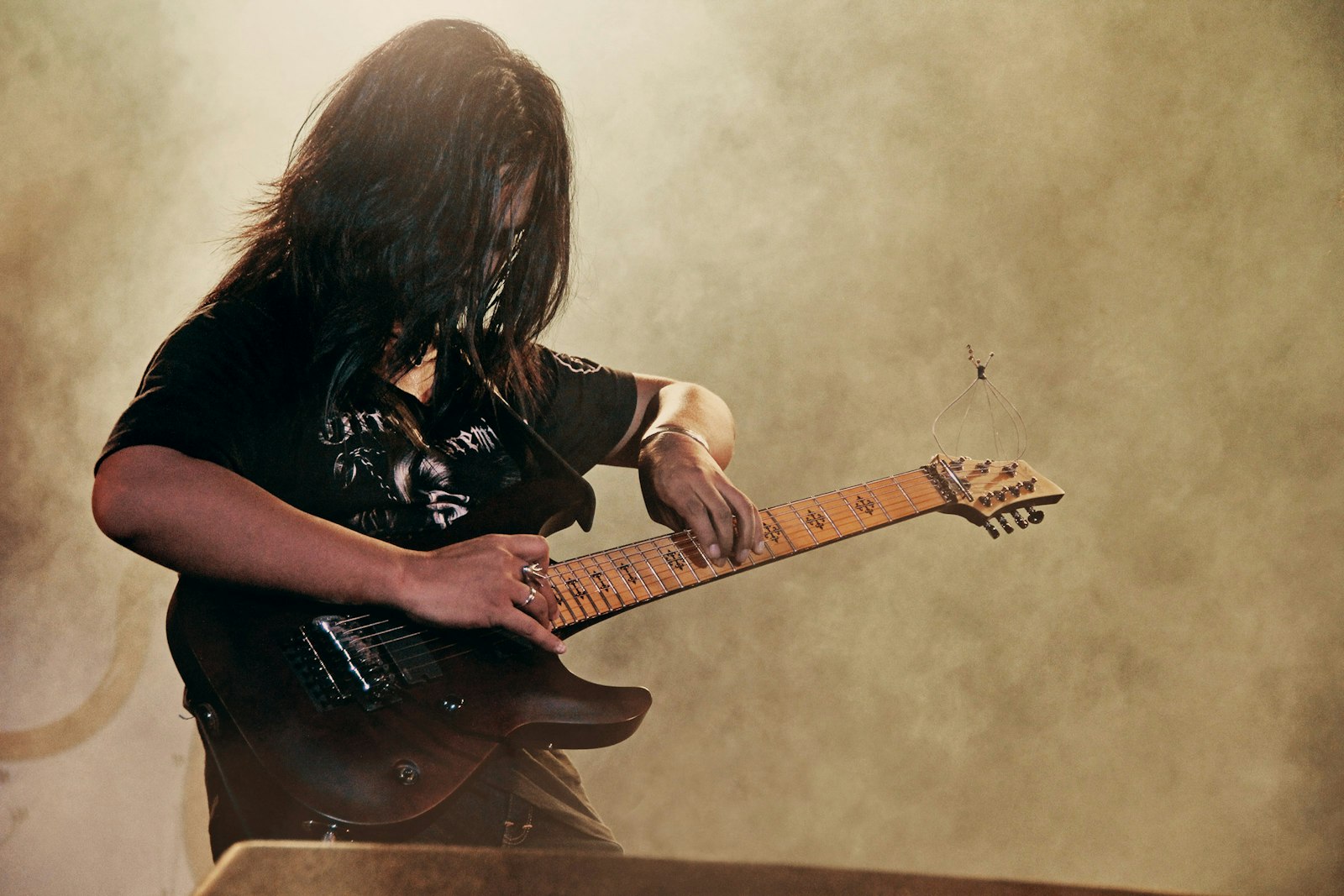
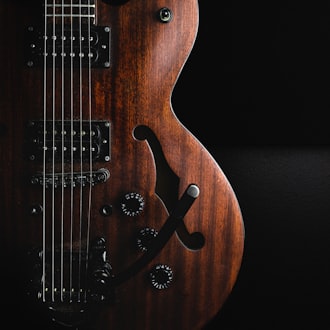
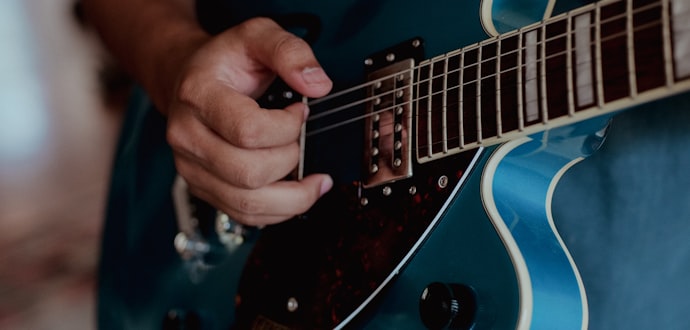
Vivian Campbell's signature guitar across his Dio years was a Charvel-style Superstrat, a double-cutaway, high-performance instrument whose fast neck and hot single-coil/humbucker configuration suited the technical demands of early 1980s heavy metal. He later transitioned to Gibson Les Paul Standards as his primary instrument, finding in the Les Paul's mahogany warmth and PAF-derived humbucking pickups a tonal richness that complemented the melodic, blues-influenced lead style he developed through his Def Leppard years. His Def Leppard-era Les Pauls, typically Heritage Cherry Sunburst models, produce the warm, sustaining lead tone that characterises his work on albums from Adrenalize onward. ESP has also produced signature Campbell models that bridge the technical facility of the Superstrat with the tonal warmth he prefers.
Marshall JCM 800
Campbell has been a Marshall man throughout his career, with the JCM 800 series central to his Dio-era sound. The JCM 800's combination of natural compression, smooth gain, and singing top-end suited the melodic hard rock vocabulary Campbell was developing, providing enough saturation for sustained lead tones without obscuring the harmonic clarity his phrasing required. For his Def Leppard work, he has used a variety of Marshall configurations adapted to the larger production values of stadium rock, typically running his amplifiers with enough headroom to respond dynamically to his picking attack while maintaining the smooth, singing sustain his melodic lines demand.
Chorus / Wah / Minimal Chain
Campbell's effects chain is characteristically lean for a hard rock lead player of his era. A chorus pedal, used on certain clean passages and atmospheric moments, adds depth and shimmer without overwhelming the guitar's natural character. A wah pedal appears occasionally for expressive lead passages, deployed with restraint rather than as a default setting. His overall philosophy is that effects should serve the song, not define the player, and his signal chain reflects that conviction: the tone comes from the guitar, the amplifier, and forty years of developing one of heavy metal's most melodically sophisticated right hands.
Signature Technique
Signature Technique
Vivian Campbell's guitar technique is the result of a Belfast teenager absorbing Rory Gallagher, Gary Moore, and the entire lineage of British blues-rock and then filtering it through the dramatic demands of heavy metal. The result is a playing style of uncommon melodic sophistication, built on blues bending and vibrato but deployed in service of the kind of cinematic, emotionally elevated music that Ronnie James Dio made his life's work. Campbell's technique prioritises singability: his solos tell stories and reach emotional peaks rather than demonstrating technical facility for its own sake.
Campbell's most distinctive quality as a lead player is his ability to apply the vocabulary of British blues-rock, Gary Moore's crying vibrato, Rory Gallagher's committed bending, the call-and-response architecture of Clapton at his most lyrical, to the dramatic demands of heavy metal. His solos on 'Rainbow in the Dark' and 'Egypt (The Chains Are On)' move through harmonic territory that is genuinely sophisticated, using melodic ideas that develop and resolve rather than simply ascending and descending scale patterns. The blues basis gives his playing a human warmth that anchors even the most grandiose metal arrangements.
Campbell's vibrato is wide, even, and emotionally calibrated, he applies it with the commitment of a player who understands that a held note without vibrato is a wasted opportunity. His vibrato derives from the Irish and British tradition rather than the American blues school: it oscillates from the wrist with a natural, singing quality rather than the broader arm-vibrato of players like Stevie Ray Vaughan. Combined with the sustaining characteristics of his Les Paul and Marshall stack, this vibrato allows him to hold notes for extended durations without the tone dying, a quality essential for the long-form melodic statements that Dio's music demanded.
Campbell is an underappreciated rhythm guitarist, the riff architecture of early Dio records depends as much on the precision and authority of his downstroke playing as on the vocal melodies above it. 'Stand Up and Shout,' 'Holy Diver,' and 'The Last in Line' all open with riffs that are immediately memorable precisely because they are played with such physical certainty. His right-hand attack on rhythm parts is percussive and locked-in, providing the rhythmic foundation that allows Dio's vocals to float above with their characteristic grandeur. This rhythm-player's discipline informs his lead playing too: his solos enter and exit the mix with rhythmic purpose rather than simply beginning and ending at arbitrary points.