
Danny Gatton
Current Ranking
Danny Gatton is ranked #109 of 162 guitarists on the Greatest Guitar Player leaderboard, based on our editorial score until fans weigh in. On the country and roots leaderboard, Danny Gatton ranks #7 of 11. No fan votes yet, so be the first to rate Danny Gatton on 8 attributes at greatestguitarplayer.com/vote.
Biography
Danny Gatton, born near Washington, D.C. in 1945, is the patron saint of guitarists who never got famous, a Telecaster master so freakishly gifted that other virtuosos nicknamed him the Humbler, because anyone foolish enough to challenge him on stage would walk away thoroughly humbled. He could play anything, in any style, with jaw-dropping speed and total command, and yet he spent his career in relative obscurity, a working musician's secret weapon rather than a household name.
Gatton's genius was synthesis. He blended rockabilly, blues, jazz, country, and rock into a seamless personal style he and his fans sometimes called redneck jazz, moving between genres so fluidly that it could be hard to tell where one ended and the next began. His command of the Telecaster was total, encompassing blistering chicken-pickin runs, sophisticated jazz chord voicings, deep blues feel, and showman's tricks, all delivered with impeccable taste and a tone that could be sweet or savage as the moment demanded. Players who saw him live tend to describe the experience in disbelieving terms.
Here is the gem that captures both his brilliance and his playful showmanship: Gatton was famous for stunts that doubled as proof of his control, including playing slide guitar with a cold beer bottle and, in one beloved bit, sliding the bottle up the neck and then taking a drink from it mid-solo without missing a beat. It was flashy, but underneath the gag was a level of precision almost no one could match. He was a tinkerer and a gearhead off the stage too, as obsessed with vintage cars and guitar electronics as he was with music.
Gatton's story carries a deep sadness. Despite the worship of fellow guitarists and a Grammy-nominated instrumental album, mainstream success never arrived, and he struggled with the frustration of being a musician's musician who could not break through. He died by suicide in 1994, a loss that stunned the guitar community and cemented his legend as the greatest player most people have never heard of. For those who know, his recordings remain a master class and a quiet heartbreak, the sound of a once-in-a-generation talent that the wider world never quite caught up to.
Legendary Performance
Live at Desperado's
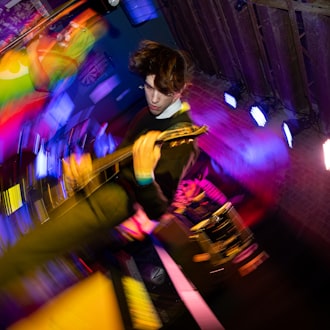
Danny Gatton spent most of his career playing clubs in and around Washington D.C., declining major label opportunities and refusing to relocate to Nashville or Los Angeles in pursuit of commercial success. His performances at Desperado's and similar venues throughout the 1980s are the primary documents of what many of his contemporaries, including Les Paul, who called him the world's greatest guitarist, considered the most technically comprehensive playing they had witnessed. A Gatton performance combined Telecaster twang with jazz chord-melody playing, country chicken picking, rockabilly slap bass, and blues improvisation in real time, moving between these vocabularies so fluently that audiences often could not identify what genre they were hearing.
The club setting suited him perfectly: close enough to the audience to see their reactions, free from the constraints of a commercial setlist, able to follow musical ideas wherever they led and stop when they were exhausted. Recordings of these performances circulated on cassette among guitarists worldwide, establishing his reputation in the guitar community as a player in a class by himself despite his virtual invisibility to the general public. The performances at Desperado's stand as the definitive document of an artist who chose authenticity over ambition and produced, in the obscurity of that choice, some of the most extraordinary guitar playing of the twentieth century.
▶ Watch on YouTubeGear
1953 Fender Telecaster
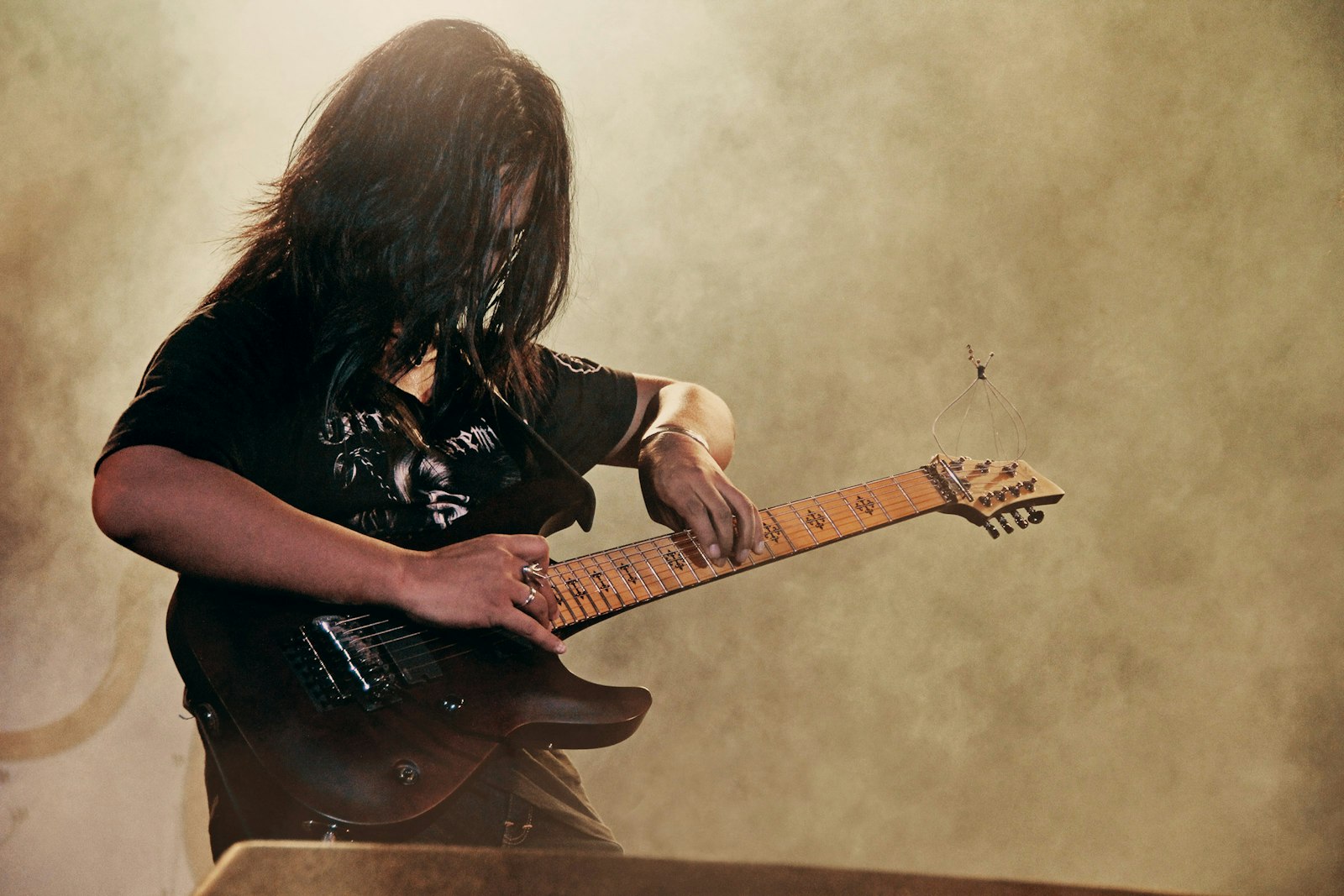
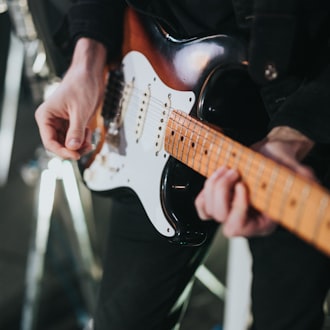
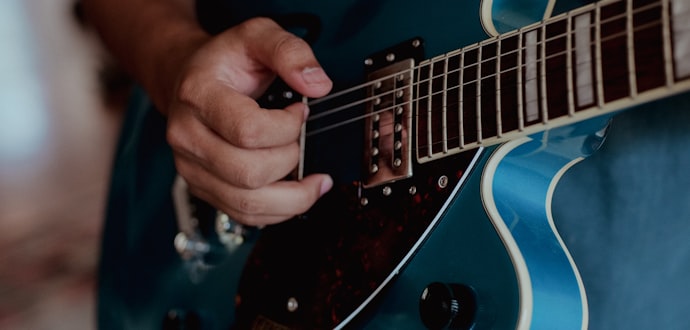
Danny Gatton's instrument was the Fender Telecaster, specifically vintage early-1950s models whose construction and pickup configuration suited his encyclopaedic technique. Where other Telecaster players tended to specialise in one genre, Gatton used the same instrument for jazz chord-melody arrangements, rockabilly slap, country chicken picking, and blues improvisation, exploiting the guitar's tonal range more completely than any player before or since. His Telecasters were typically modified with Sperzel tuners for improved stability and had their pickup heights carefully adjusted to balance output across the full dynamic range of his picking, which moved from the lightest touch of jazz to the aggressive attack of his rockabilly passages within a single performance.
Fender Bassman & Princeton
Gatton used vintage Fender amplification, Bassman and Princeton models, that provided the clean American headroom his technique required. His approach to tone was essentially direct: guitar into cable into amplifier, the variables being picking angle, string contact, and volume control rather than external processing. The Bassman's four ten-inch speakers produced the full-range response that allowed his low-register chord-melody jazz lines and his high-register country leads to sound equally defined, and its natural compression under attack provided the feel his right hand expected without the sag that higher-output amplifiers might introduce.
Echoplex & Minimal Effects
Gatton's effects usage was minimal, his most characteristic unit being the Echoplex tape delay that added the slight slap echo associated with vintage rockabilly recordings. Beyond this, his signal chain was essentially clean, his tonal variation coming entirely from technique: the angle at which his pick contacted the string, the position of his picking hand relative to the bridge and neck, and the control of his guitar's volume and tone knobs, which he manipulated mid-performance with a facility that most players cannot achieve at standstill.
Signature Technique
Signature Technique
Danny Gatton's technique represents the most comprehensive single-guitarist synthesis of American musical traditions ever assembled: jazz, blues, country, rockabilly, and classical guitar technique combined into a single vocabulary so fluent that the transitions between styles were invisible. He was not a stylist who could play in several genres but a musician for whom all these traditions had been so thoroughly internalised that they existed simultaneously as a single musical language. The result was a playing style that defied categorisation and, as a commercial consequence, a career that remained largely underground despite the reverence of every serious guitarist who encountered his work.
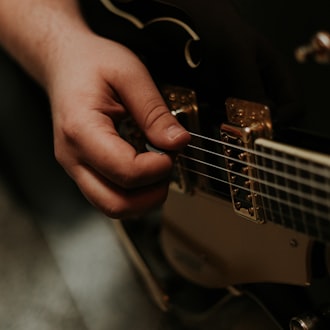
Gatton's right-hand technique drew on country guitar's hybrid picking approach, using a flatpick held between thumb and index finger while the middle and ring fingers pluck additional strings, to produce the snapping, percussive attack of chicken pickin' on the treble strings while maintaining the fluency of flatpicking on single-note runs. This technique, common in Nashville session playing, was in Gatton's hands deployed across every style: jazz chord-melody arrangements gained rhythmic snap from the chicken pickin' approach, and blues lines acquired a country articulation that distinguished them from any conventionally blues-trained player's work.
Gatton's jazz vocabulary was not the simplified chord-based approach of most rock guitarists who "incorporate jazz" but genuine chord-melody playing in the tradition of Wes Montgomery and Joe Pass, the technique of arranging both the melody and its harmonic accompaniment on a single guitar so that the listener hears a complete musical statement without accompaniment. His reharmonisation of standard progressions, substituting unexpected chord qualities for conventional ones, revealed a harmonic intelligence that went beyond technical facility into genuine compositional thinking, applied to country and blues contexts as readily as to jazz standards.