




Grace Bowers
Current Ranking
Grace Bowers is ranked #137 of 162 guitarists on the Greatest Guitar Player leaderboard, based on our editorial score until fans weigh in. On the blues leaderboard, Grace Bowers ranks #27 of 32. No fan votes yet, so be the first to rate Grace Bowers on 8 attributes at greatestguitarplayer.com/vote.
Biography
Grace Bowers is the fastest-rising young blues and soul guitarist of the 2020s, a Nashville bandleader who was getting phone calls from Grammy producers before she was old enough to buy a beer. She grew up in a small town in the East Bay of Northern California, a place with no real live music scene and no other kids her age playing in bands. She picked up the guitar at nine after seeing Slash in the "Welcome to the Jungle" video, and at thirteen she heard B.B. King on her mother's car radio and decided, on the spot, that guitar was going to be her life.
During the pandemic she started live-streaming guitar jams on Reddit and Instagram, and the clips spread quickly. Gibson offered her an endorsement when she was just fourteen, and around that time her family relocated to Nashville so she could be where the music was. She went from playing alone in her bedroom to gigging almost every night, and she has said that being thrown onto real stages with real bands was the biggest motivation she ever had. Along the way she shared stages with Devon Allman, Tyler Childers, Christone "Kingfish" Ingram and Susan Tedeschi, and in 2024 she found herself on the same bill as Slash, the guitarist who started it all for her.
Her band is Grace Bowers and the Hodge Podge, a funky, soulful outfit that leans as much on Sly and the Family Stone and Funkadelic as on the blues. Their debut album, Wine on Venus, came out in 2024 and was produced by John Osborne of Brothers Osborne. Bowers was only sixteen when it was recorded, cut live over a week with the band in the studio room and Bowers in the control room watching them through the glass, her amp parked out on a balcony at full volume. The album mixes eight originals with a cover of "Dance to the Music," and the title track is dedicated to her grandmother.
Here is the gem. In early 2025 she got a vague text from producer Jimmy Jam saying an artist needed a guitar player. Three days later she was on stage at the Grammy Awards in Los Angeles, playing lead behind Chris Martin of Coldplay during the In Memoriam segment, in front of about 20,000 people in the arena and millions more on TV. She learned the arrangement the day before. Her heroes list reads like a crate of classic records (Slash, Leslie West, Eddie Hazel, Carlos Santana, Marc Bolan and B.B. King), yet she bristles at being boxed in as a blues prodigy. Her newer songs lean toward rock and punk, and as she put it, nothing annoys her more than someone throwing a label on her when she is still a teenager figuring out who she is.
Legendary Performance
"All My Love" with Chris Martin, 67th Grammy Awards
February 2, 2025 · Crypto.com Arena, Los Angeles, California
On February 2, 2025, at the 67th Annual Grammy Awards at Crypto.com Arena in Los Angeles, Grace Bowers walked on stage behind Chris Martin of Coldplay to play "All My Love" during the In Memoriam tribute. Three days earlier she had no idea the gig existed. Producer Jimmy Jam had texted her that an unnamed artist needed a guitar player, and only later did she learn it was Martin, and that it was the Grammys. She got the arrangement the day before the show.
What made it land was restraint. In a segment honoring the musicians lost that year, she did not try to show off. She played clean, singing lead lines on her Gibson SG with patient, blues-inflected bends and plenty of space between phrases, the kind of playing that serves a song rather than interrupts it. It was the biggest audience she had ever played to, roughly 20,000 people in the arena and millions watching at home, and she later described it as one of the most enjoyable and easy experiences of her life.
For a teenager who had been live-streaming jams from her bedroom only a few years earlier, it was a remarkable jump. The performance introduced her to a mainstream audience far beyond the blues and Americana circles that already knew her name, and it confirmed what Nashville players had been saying for a while: Grace Bowers plays with a maturity and feel well beyond her age.
▶ Watch on YouTubeGear
1961 Gibson SG Special (P-90s) (1961)
Known for: her main guitar on stage and on Wine on Venus
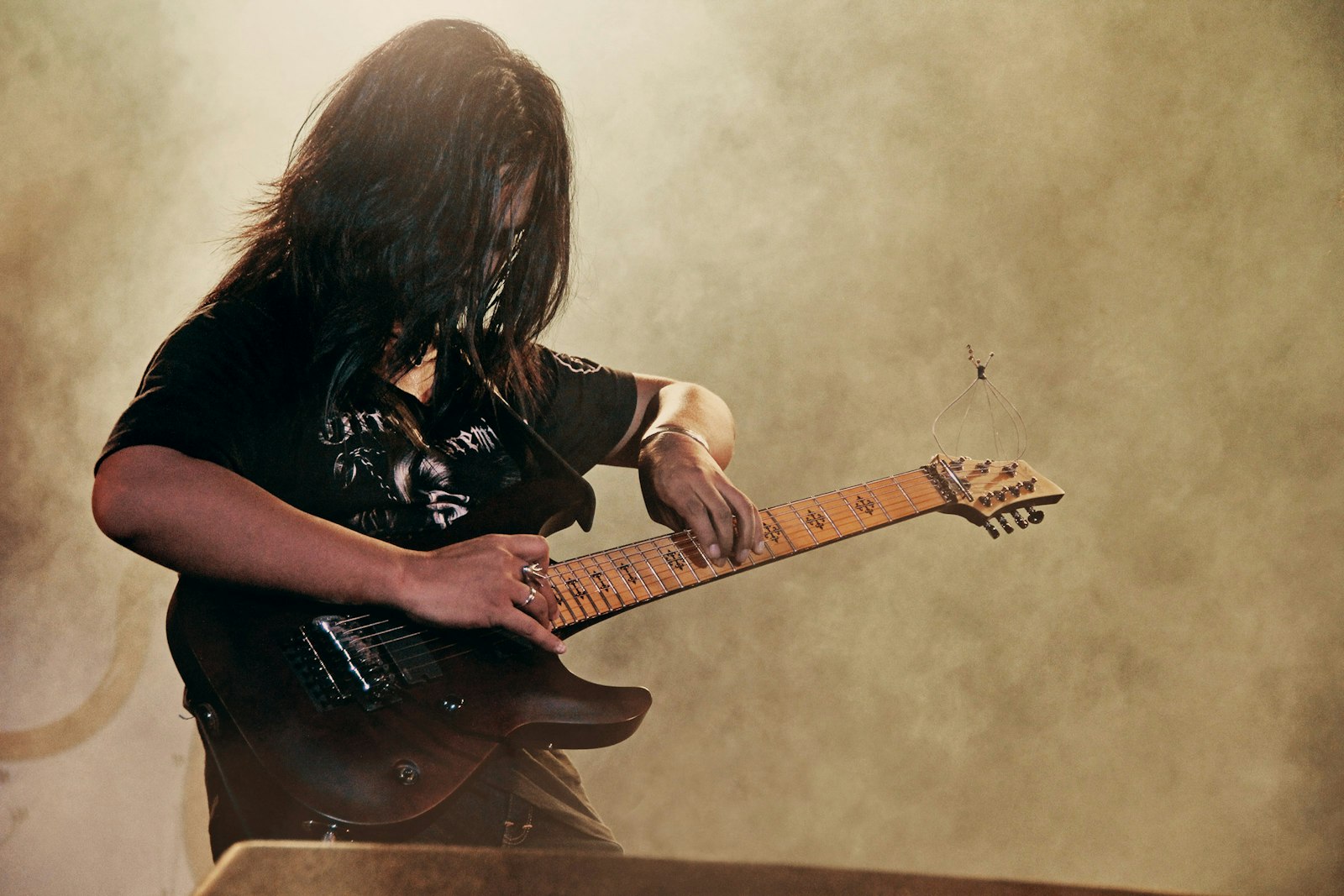
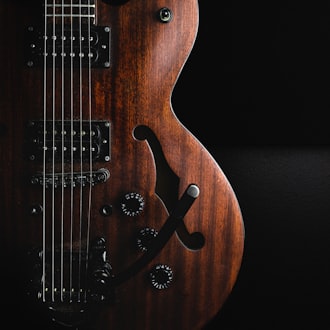
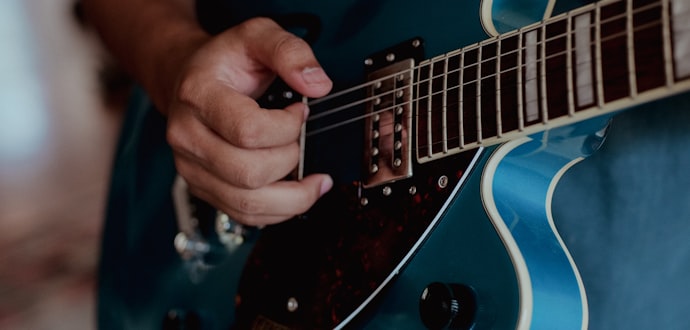
Grace Bowers is an SG player through and through. Her number one is a 1961 Gibson SG Special with P-90 pickups, a guitar she calls her baby. The early SG's thin, light body and fast neck suit her aggressive, upper-fret playing, and the P-90s give her a raw, punchy midrange that sits between a Strat's snap and a humbucker's thickness, perfect for both funky rhythm parts and crying blues leads.
She also plays a 2024 Gibson Murphy Lab SG, an aged reproduction that lets her keep the vintage feel without risking the 1961 on every flight. Gibson signed her when she was only fourteen, and the SG has become as much a part of her image as her sound, the same guitar shape that Angus Young, Tony Iommi and Derek Trucks made famous.
Fender Deluxe Reverb
Known for: early, touch-sensitive breakup at club volume
Her amp of choice is a Fender Deluxe Reverb, a classic 22-watt combo with a single 12-inch speaker. It breaks up early and musically, so she can get a gritty, touch-sensitive tone without huge volume, and its spring reverb adds depth to her slow blues and soul ballads. Because she often flies to gigs, she frequently plays backline Deluxes on tour, and she keeps her settings simple enough to dial in quickly on whatever amp is waiting for her.
Analog Man King of Tone, wah, boost
Bowers describes her pedalboard as basic, and that is the point. An Analog Man King of Tone handles her overdrive, a boost pushes her solos forward, and a wah (a Vox or Dunlop Cry Baby) covers the funky, vocal moments she learned from Eddie Hazel and Jimi Hendrix. She occasionally adds a chorus pedal for texture. She strings up with Ernie Ball 10s and uses thick 2.0mm Dunlop picks, which help give her attack its round, heavy punch.
Signature Technique
Soulful Bends, Funk Rhythm and Song-First Phrasing
Grace Bowers plays the blues like she means every note, and she has said the blues comes from your heart rather than from just playing it. Her lead style is built on big, expressive bends, a wide vibrato and strong melodic phrasing that owes a lot to B.B. King. She likes to start a solo simple and let it climb, using repetition and space to build tension before she lets loose with faster runs higher up the neck.
She is also a serious rhythm player, which is where the funk comes in. With the Hodge Podge she locks in with the drums and bass on choppy, syncopated parts that come straight out of Sly and the Family Stone and Funkadelic, and she can flip between tight funk rhythm and fuzzed-out rock riffs in the same song. Her wah work, heavily influenced by Eddie Hazel, is used to make the guitar talk rather than just to add an effect.
What sets her apart from many young players is her focus on songs. She has pointed out that a lot of guitar prodigies can jam for days but lack real songs, and she writes with her bandmates and vocalist Esther Okai-Tetteh to make sure the guitar serves the music. She also cares about eye contact and interaction on stage, preferring to play off her band in the room rather than isolate herself, which is why Wine on Venus was cut live.
Her influence is already showing. As one of the most visible young women in blues rock, with a Gibson deal at fourteen and a Grammy stage before she turned twenty, she has become a role model for a new wave of players who see that soulful, song-first guitar can still reach a mainstream audience.