


Dimebag Darrell
Current Ranking
Dimebag Darrell is ranked #9 of 162 guitarists on the Greatest Guitar Player fan leaderboard, based on 1 fan vote so far. On the heavy metal leaderboard, Dimebag Darrell ranks #1 of 14. Agree? Rate Dimebag Darrell on 8 attributes at greatestguitarplayer.com/vote.
Biography
Dimebag Darrell, born Darrell Abbott in Texas in 1966, was the riff-machine heart of Pantera and the most influential metal guitarist of the 1990s, the man who dragged heavy music out of the hair-metal era and into something leaner, meaner, and groovier. With his lightning-bolt Dean guitars, his bright red beard, and his enormous personality, he made being a metal guitarist look like the best and most fun job on the planet, right up until his shocking death.
Dimebag's playing married brutal heaviness with an almost gleeful precision. His riffs were razor-sharp and rhythmically tricky, full of palm-muted chugs, sudden squealing pinch harmonics, and whammy-bar dive bombs, while his solos were fiery, melodic, and bursting with attitude. On Pantera albums like Cowboys from Hell, Vulgar Display of Power, and Far Beyond Driven, he and his drummer brother Vinnie Paul invented the template for what became known as groove metal, music that hit like a sledgehammer but swung like a heavyweight boxer. Tracks like Walk and Cemetery Gates became anthems and remain staples of how a generation learned to play heavy guitar.
The heart of his story is his lifelong worship of Eddie Van Halen. Here is the gem: as a teenager, Dimebag entered so many local guitar contests, routinely winning by playing Van Halen's Eruption, that organizers eventually asked him to stop competing and become a judge instead, because no one else stood a chance. That devotion came full, heartbreaking circle after his death. In 2004 Dimebag was murdered by a deranged gunman while performing on stage with his post-Pantera band Damageplan, a tragedy that devastated the entire music world. When he was laid to rest, Eddie Van Halen donated one of his own famous black-and-yellow striped guitars to be buried with him, so that the kid who had idolized him would be laid to rest with the real thing.
Dimebag's influence on modern metal is impossible to overstate, and his joyful, larger-than-life spirit is remembered as fondly as his playing. He treated fans like friends, played with infectious enthusiasm, and built riffs that guitarists will be learning forever. He is proof that you can be one of the heaviest players who ever lived and still be remembered, above all, for how much fun he was having.
Legendary Performance
Far Beyond Driven World Tour, Reunion Arena
Summer 1994 · Reunion Arena, Dallas, Texas
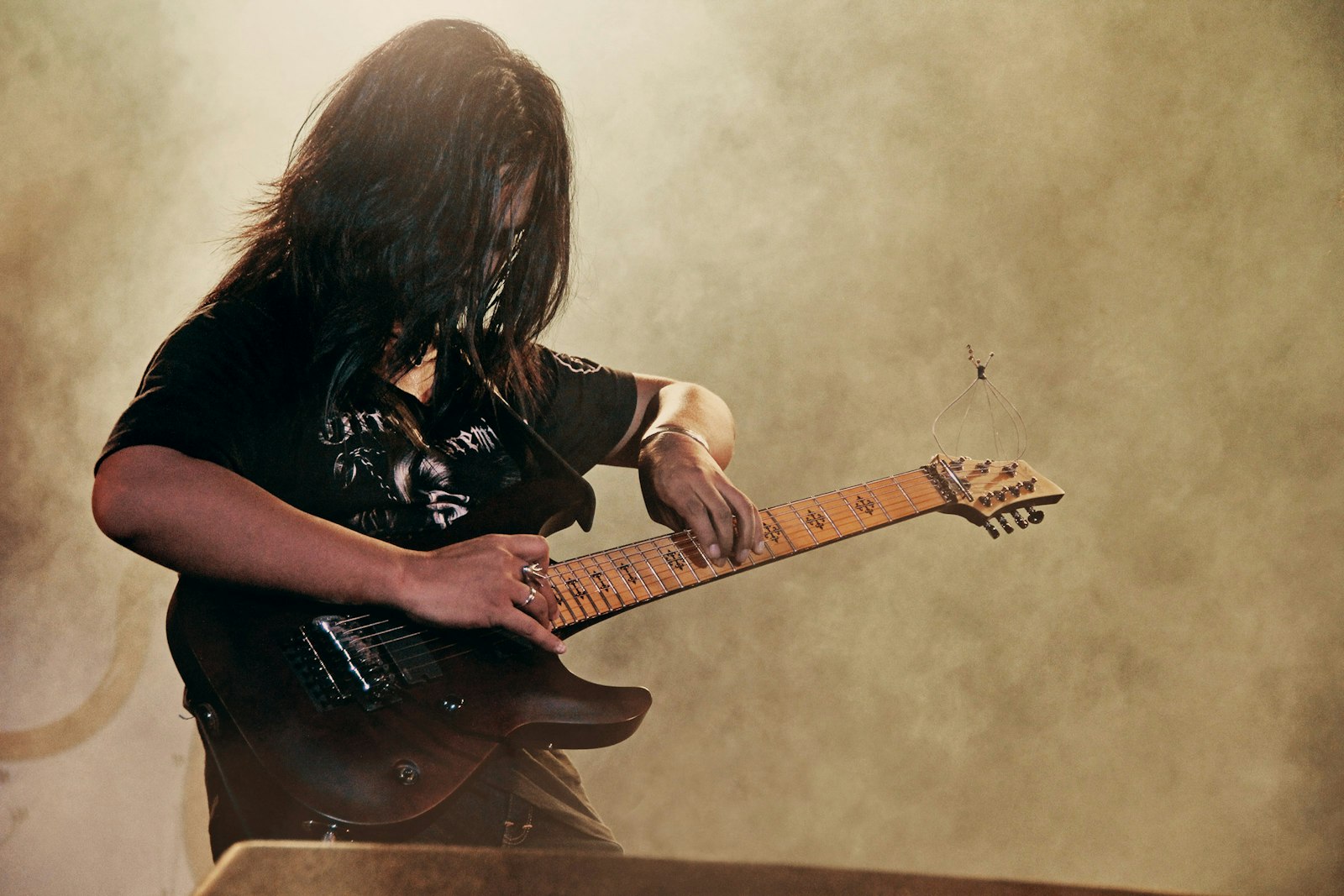
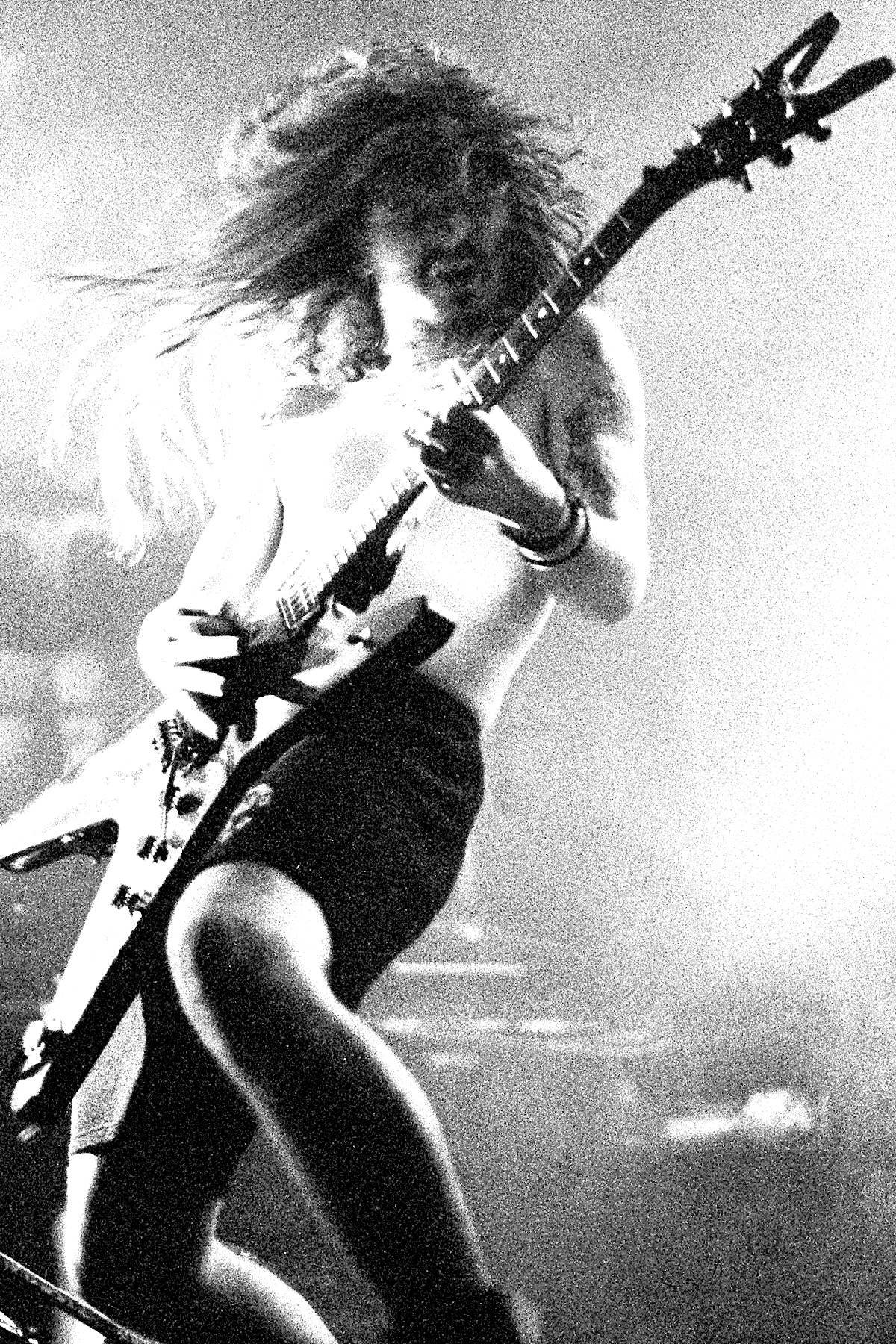
When Far Beyond Driven debuted at number one on the Billboard 200 in March 1994, the metal world had already made its peace with the fact that Pantera were operating at a level nobody else could reach. But chart positions are abstractions; what was happening every night on that world tour was something physical, immediate, and, for anyone in the room, genuinely alarming. Dimebag Darrell Abbott was thirty years old that summer, playing a distinctive Dean ML guitar through a custom Randall amp stack, and he had refined his technique into something that occupied a category entirely its own: not speed metal, not thrash, but all of those things simultaneously, organized around riffs so heavy and so precisely constructed that they seemed to alter the air pressure of whatever venue they occupied.
The homecoming show at Reunion Arena in Dallas, Pantera's own city, the crowd that had been there from the beginning, was the tour's emotional apex. Dimebag opened "Walk" with the unmistakable three-note riff that had become one of the most recognizable guitar figures in modern rock, and the building responded as though it had been waiting years for precisely this. He played "Mouth for War," "Fucking Hostile," and "Cowboys from Hell" with the calm authority of someone for whom these sounds were as natural as breathing, his pinch harmonics screaming in quarter-tones that lingered in the air long after the notes themselves had died. Between songs he grinned, always grinning, always generous, always the most purely joyful figure on any stage he occupied.
Dimebag Darrell was shot and killed onstage on December 8, 2004, while performing with his new band Damageplan. He was thirty-eight years old. The tours he had played with Pantera became, in retrospect, the record of what had been lost: a player whose combination of technical mastery, riff-writing genius, and infectious enthusiasm for the instrument had no clear precedent in heavy metal and has found no adequate successor since. The Far Beyond Driven tour was Pantera at their absolute peak, and Dimebag Darrell at his, a musician playing at the limit of his abilities every night, in front of audiences who understood exactly what they were witnessing, even if they couldn't quite put words to it. The word for it was greatness.
▶ Watch on YouTubeGear
Dean ML 'Dime' Signature
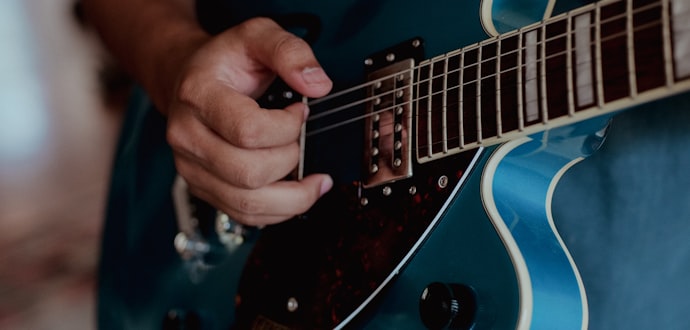
Dimebag Darrell's association with Dean Guitars, specifically the angular, pointed ML body shape, is one of the most iconic pairings in heavy metal guitar history. After an early career with Charvel and Jackson, Darrell returned to Dean in 1994 and the partnership produced a series of signature models that became synonymous with Pantera's abrasive groove metal. The ML's mahogany body and through-neck construction provided the sustain and warmth that grounded Darrell's high-gain lead tone, while his DiMarzio and Bill Lawrence pickups delivered the articulation needed for his rapid-fire riffing. His most famous model, the 'Dime from Hell' with its lightning-bolt graphic, became a heavy metal icon.
Krank Krankenstein / Randall Warhead
Darrell's live and studio amplifier rigs were purpose-built for maximum aggression. He was instrumental in developing the Krank Krankenstein amplifier, which delivered the saturated, scooped-mid tone central to Pantera's sound. Earlier, he had relied heavily on Randall amplifiers, the Randall Warhead in particular, and his relationship with both brands reflected his constant search for the perfect balance of tight low end and singing sustain on leads. His amp settings were notoriously extreme: massive amounts of gain with surgical EQ adjustments to retain note clarity.
MXR Phase 90 / Dunlop Crybaby / Rocktron Hush
Dimebag Darrell's effects setup was focused and purposeful. The MXR Phase 90, used on the iconic 'Walk' groove, added the sweeping, almost vocal quality that made the song's main riff unforgettable. A Dunlop Crybaby wah provided expression on solos, and the Rocktron Hush noise gate kept his high-gain chain clean between notes. His setup was never about ambiance or complexity, it was about making the heaviest music possible with as much precision and brutality as the songs demanded.
Signature Technique
Pinch Harmonics & Divebombs
Dimebag Darrell's pinch harmonics, produced by lightly touching the string with the side of the pick-hand thumb immediately after the pick strikes, at specific positions along the string's length, generated the shrieking, high-pitched overtones that became Pantera's sonic signature. The technique requires precise right-hand positioning: the exact point where the thumb touches the string determines which harmonic overtone sings out. Dime had an exceptional ear for harmonic placement and an instinct for where on the string to strike to get the squeal he wanted, deploying them not as occasional accents but as constant textural elements woven through riffs and solos alike.
His Floyd Rose whammy system gave him the complementary technique of the divebomb, depressing the bar to drop a held note's pitch to almost nothing, which he timed with dramatic precision to punctuate phrases and close sections. Together, the pinch harmonic and the divebomb became a kind of punctuation system: the squeal as exclamation, the bomb as full stop. "Walk," "Mouth for War," and "Cowboys from Hell" are the essential documents, and each is rich with both techniques used at peak intensity.