


Sister Rosetta Tharpe
Current Ranking
Sister Rosetta Tharpe is ranked #22 of 162 guitarists on the Greatest Guitar Player leaderboard, based on our editorial score until fans weigh in. On the rock and roll leaderboard, Sister Rosetta Tharpe ranks #2 of 8. No fan votes yet, so be the first to rate Sister Rosetta Tharpe on 8 attributes at greatestguitarplayer.com/vote.
Biography
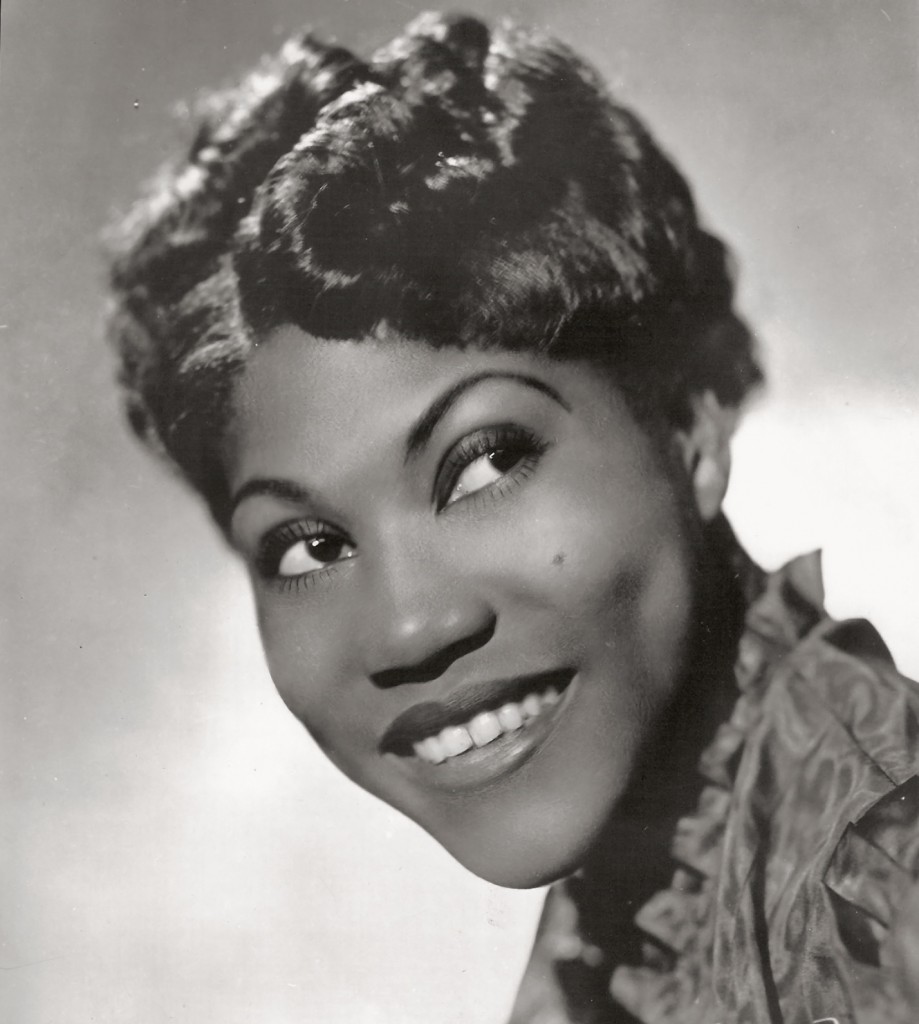
Sister Rosetta Tharpe, born in Arkansas in 1915, is one of the most important and long-overlooked figures in the history of the guitar, a gospel singer and electric guitar pioneer so far ahead of her time that she is now rightly called the godmother of rock and roll. Decades before the genre had a name, Tharpe was playing distorted, swinging, showmanship-filled electric guitar in front of huge audiences, laying down a blueprint that the founding fathers of rock would follow.
Tharpe emerged from the Black gospel tradition but refused to stay within its boundaries, bringing her spiritual music into nightclubs and concert halls and playing it with a flair and a drive that thrilled and sometimes scandalized audiences. Crucially, she was a genuine electric guitar virtuoso at a time when very few women, or indeed few players of any kind, were soloing on the instrument the way she did. Her playing was full of stinging single-note leads, bent strings, and even early distortion, delivered with a joyful, charismatic showmanship that prefigured the electric guitar heroics of the rock era. Her 1940s recording Strange Things Happening Every Day is frequently cited as one of the first true rock and roll records.
Here is the gem that defines her staggering importance. The pioneers who are usually credited with inventing rock and roll, including Chuck Berry, Elvis Presley, Little Richard, and Johnny Cash, grew up watching and listening to Sister Rosetta Tharpe, and her influence on them is direct and profound. She was, in a very real sense, doing rock and roll guitar before any of them, a Black woman openly performing electrified, swinging, soulful guitar music in the 1930s and 1940s and showing the next generation what was possible. That she was a woman, and a queer Black woman at that, makes her achievement all the more remarkable and her long neglect all the more unjust.
For decades Tharpe's foundational role was largely forgotten or written out of rock's official history, but in recent years she has finally received overdue recognition, including induction into the Rock and Roll Hall of Fame as an early influence. Her story has been rediscovered and celebrated, and guitarists and historians now recognize her as a true originator, the trailblazing virtuoso whose electric guitar, charisma, and fearless genre-crossing helped give birth to rock and roll itself. Sister Rosetta Tharpe is the missing matriarch of the electric guitar, the woman who plugged in, lit it up, and showed everyone who followed the way.
Legendary Performance
Manchester Free Trade Hall, 1964
The 1964 American Folk Blues Festival brought Sister Rosetta Tharpe to Manchester's Free Trade Hall, where she performed for a predominantly white British audience many of whom had never seen an African American woman play electric guitar with such authority. The performance was filmed and has become one of the most celebrated archival documents in guitar history.
Tharpe played a Gibson SG Special in a red finish, churning through gospel and blues numbers with a ferocity that the audience clearly did not expect. She played standing in the rain on a makeshift stage outside the hall, seemingly oblivious to the weather, entirely absorbed in the music.
The footage reached a generation of British musicians, including future members of Led Zeppelin and the Rolling Stones, who saw in Tharpe an approach to the electric guitar that their own blues heroes hadn't quite shown them. The physical commitment, the technical command, the complete absence of self-consciousness: it was a revelation.
▶ Watch on YouTubeGear
Gibson SG Special • Early Electric Pioneer • Natural Crunch • Gibson Archtops • Amplified Gospel
Sister Rosetta Tharpe was among the first musicians to perform gospel music on an amplified electric guitar, doing so as early as the late 1930s when the electric guitar itself was a novelty. She played various archtop and semi-hollow guitars in her early career, moving through Gibson models as they became available commercially.
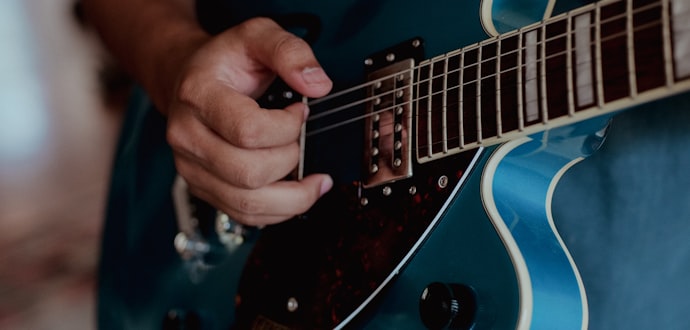
By the early 1960s, she had settled on a Gibson SG Special, the guitar she plays in the famous Manchester footage. The SG's double-cutaway design gave her easy access to the upper frets, which she used with the same authority she applied to the lower positions. She ran it through a small combo amplifier at settings that produced a naturally overdriven crunch.
Tharpe's gear was never exotic or custom. She played professional-grade instruments available to any working musician of the era. The remarkable sounds she produced from them demonstrate conclusively that the instrument is only as interesting as the player.
Signature Technique
Gospel Picking & Blues Architecture
Sister Rosetta Tharpe's technique bridged the sacred and secular in a way that was genuinely unprecedented when she began performing in the 1930s. She brought the emotional expressiveness of the sanctified church guitar style into contexts that included secular audiences, concert halls, and eventually rock and roll venues, and the guitar vocabulary she used in all these settings was remarkably consistent.
Her right-hand technique was forceful and rhythmically precise. She used a flat pick with a downward emphasis, driving rhythmic chord patterns at tempos that demanded physical stamina as much as technical skill. Her lead playing used single-note lines drawn from the blues vocabulary she had absorbed from gospel and from the secular music she officially disapproved of but clearly knew intimately.
Tharpe's string bending technique was particularly influential. She bent notes with a vocal quality, holding the bent pitch with controlled vibrato, a technique that Little Richard, Chuck Berry, and through them the entire first generation of rock and roll guitarists absorbed and passed forward.