




Steve Howe
Current Ranking
Steve Howe is ranked #127 of 162 guitarists on the Greatest Guitar Player leaderboard, based on our editorial score until fans weigh in. No fan votes yet, so be the first to rate Steve Howe on 8 attributes at greatestguitarplayer.com/vote.
Biography
Steve Howe, born in London in 1947, is one of the most eclectic and accomplished guitarists in the history of rock, the virtuoso whose dazzling, genre-spanning playing helped make the progressive rock band Yes one of the most ambitious and beloved groups of the 1970s. A musician of remarkable range, Howe drew on rock, classical, jazz, country, flamenco, and folk, weaving them all into a personal style of breathtaking versatility and technical command.
Howe joined Yes and immediately elevated the band with his sophisticated, intricate guitar work, contributing to landmark albums like The Yes Album, Fragile, and Close to the Edge. His playing on the hit Roundabout, with its crisp acoustic intro and fluid electric lines, and his solo acoustic showpiece Mood for a Day demonstrate his extraordinary breadth. He was equally at home playing delicate fingerstyle classical pieces, twangy country licks, jazzy chord work, or soaring rock leads, often within a single song, and he favored an unusual choice for a rock guitarist, a hollow-body Gibson jazz guitar, which gave his tone a warm, distinctive character.
Here is the gem that confirms his standing. During the 1970s, Howe was voted the best overall guitarist in the influential reader polls of Guitar Player magazine for five consecutive years, an unprecedented achievement that led to him being inducted into the magazine's hall of fame and stepping aside so others could win. Fans and fellow guitarists alike recognized that few players could match his combination of technical skill and stylistic range, and that sustained acclaim cemented his reputation as one of the premier guitarists of the progressive era.
Howe later co-founded the supergroup Asia, scoring major hits and reaching an even wider audience, and he has continued performing with Yes and on his own across decades, remaining a tireless and curious musician. A Rock and Roll Hall of Fame inductee with Yes, he is admired for his refusal to be pinned to any single style and for the intelligence and craft he brings to everything he plays. For guitarists who value versatility and sophistication, Steve Howe is a towering example, the prog-rock virtuoso whose mastery of countless styles, from flamenco to country to soaring rock, made him one of the most respected and admired players of his generation.
Legendary Performance
Yes, Close to the Edge Tour
The Close to the Edge tour of 1972 presented Steve Howe at the peak of the musical ambition that had driven Yes from progressive rock newcomers to one of the most commercially successful bands in Britain. The album itself, three long-form compositions occupying two sides of vinyl, represented a compositional achievement that redefined what rock music could attempt, and Howe's guitar work throughout it required technical versatility that no other rock guitarist of the era possessed: classical fingerstyle passages, jazz chord-melody sections, aggressive lead playing, and acoustic 12-string work appeared within the same composition, each in service of an architecture that demanded coherence across extended time scales.
His live performances of the album material demonstrated that the studio complexity was not purely a product of multi-tracking and editing but was genuinely reproducible by a single musician in real time. The guitar parts on "Close to the Edge" and "Siberian Khatru" required simultaneous management of multiple technical vocabularies, the right hand deploying classical technique while the left formed jazz voicings, then both shifting immediately to the percussive attack of rock rhythm playing, in a way that represented a new standard for guitar performance complexity. Howe's playing on the Close to the Edge tour established progressive rock guitar as a discipline with its own technical demands distinct from those of blues-based rock.
▶ Watch on YouTubeGear
1964 Gibson ES-175
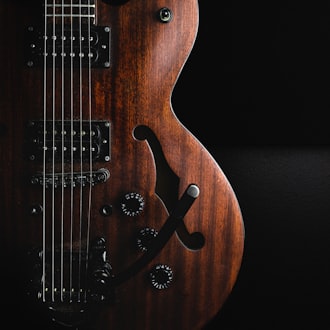
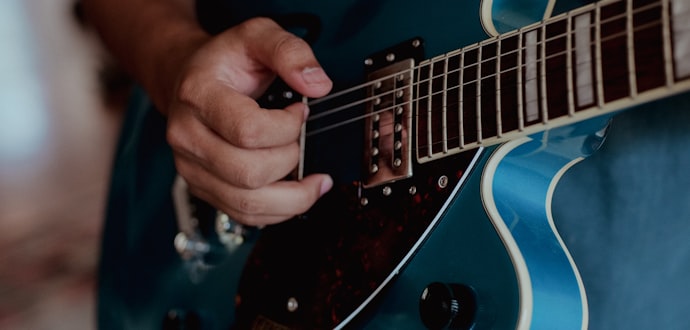
Steve Howe's primary electric guitar is the 1964 Gibson ES-175, a fully hollow archtop jazz guitar whose warm, complex tone and responsive dynamics suit his technically varied approach. The ES-175 is not a conventional rock guitar, its fully hollow construction makes it susceptible to feedback at high volumes, and its jazz-oriented humbucking pickup produces a rounded, midrange-heavy tone unlike the bright clarity of a Stratocaster or the thick sustain of a Les Paul, but its tonal character is central to the distinctive sound of classic Yes. The guitar's responsiveness to picking dynamics, producing very different tones depending on pick angle, position, and pressure, suits a player whose technique demands this sensitivity.
Fender AC30 & Marshall
Howe's amplification has drawn on both Vox and Marshall equipment, the combination providing the British tonal character that suits his playing style. The Vox AC30's chimey clean tone and natural compression under picking attack complement the ES-175's warm fundamental, while Marshall amplification provides the gain and projection required for the more aggressive passages of Yes's live performances. His use of multiple amplification types reflects the breadth of his playing: a purely clean sound cannot serve the full dynamic range his technique requires.
Minimal Processing, Acoustic & Classical Guitars
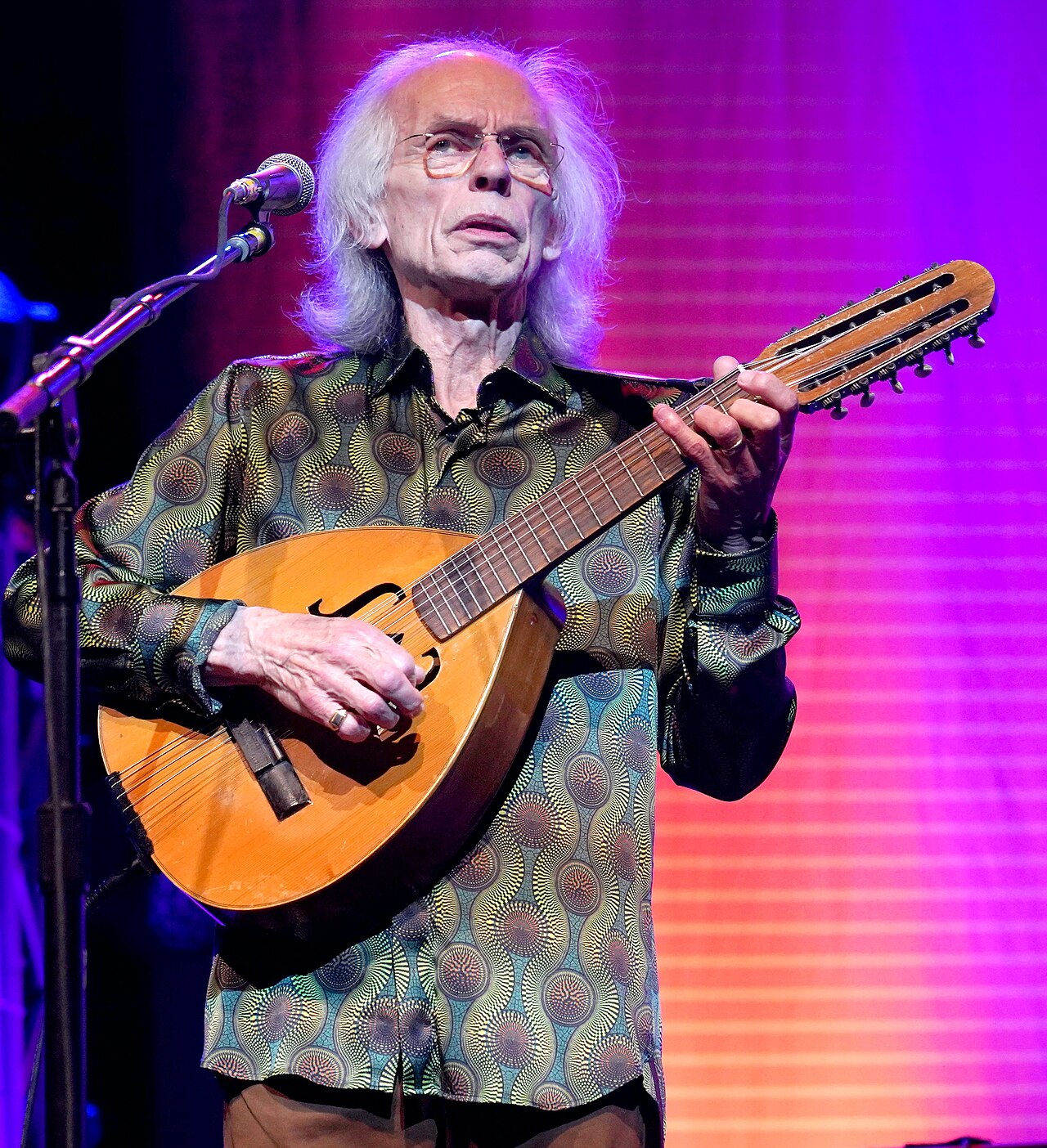
A distinctive element of Howe's live setup is his use of multiple guitar types within a single set: he transitions between electric archtop, steel-string acoustic, classical gut-string guitar, and pedal steel guitar during Yes performances, each instrument bringing a distinct tonal character that contributes to the band's sonic architecture. This multi-instrument approach requires both technical facility across diverse playing traditions and logistical management of multiple instruments tuned and ready for immediate use, a performance challenge that most guitarists avoid by specialising.
Signature Technique
Signature Technique
Steve Howe's guitar technique is the most genuinely multi-disciplinary of any player associated with progressive rock, not a rock guitarist who has studied classical or jazz, but a musician trained across multiple traditions who applies each with genuine fluency in service of music that requires all of them simultaneously. His work with Yes demanded that a single guitarist provide the functions of a rhythm section, a lead voice, an orchestral texture, and a classical soloist within the same composition, and his technique was built precisely to meet these requirements rather than adapted from a narrower specialism.
Howe applies classical guitar fingerstyle technique, using fingers rather than a pick, right-hand fingers assigned to specific strings, to both acoustic and electric guitar, enabling him to play chord-melody arrangements, simultaneous bass lines and treble voices, and arpeggiated accompaniments that are impossible with a flatpick alone. His classical training provides the right-hand independence to sustain melodic lines in upper voices while providing rhythmic accompaniment in lower voices simultaneously, a technique audible throughout the acoustic passages of Yes's catalogue and in his solo recordings.
Howe's jazz harmony vocabulary, the result of serious study of players including Django Reinhardt and Barney Kessel, informs his chord choices throughout Yes's compositional language, adding the harmonic complexity that distinguishes their arrangements from those of straightforward rock bands. His use of major sevenths, altered dominants, and chord substitutions within rock song structures creates the layered harmonic richness associated with progressive rock at its most sophisticated. This jazz foundation, applied within a rock context that also incorporates classical counterpoint and folk music elements, represents the most ambitious synthesis in rock guitar's history.